Another year over, another long year of movies ahead of us in 2024. 2023 was an odd year in movies for me. It took roughly 10 months before I saw more than one film that really blew me away. Since that point, though, I’ve seen a number of great ones. I was happy to see a diversity in the types of films in my top 50: a nice mix of genres, a balance between major studios and independents, a good assortment of non-U.S. films that I was glad to be exposed to, a few thought-provoking docs, a number of beautiful animated films, I could go on. After resigning myself to a sub-par year in movies, I end the year pleasantly surprised by a number of titles I will happily return to in the future.
These are the best movies I saw in 2023, along with 15 honorable mentions. Happy New Year.
Honorable Mentions:
- All of Us Strangers
- Are You There God? It’s Me, Margaret
- BlackBerry
- Earth Mama
- Fallen Leaves
- Four Daughters
- Godzilla Minus One
- Kokomo City
- May December
- Mission: Impossible – Dead Reckoning Part One
- Nimona
- The Promised Land
- Skinamarink
- Talk to Me
- A Thousand and One
10. Rye Lane
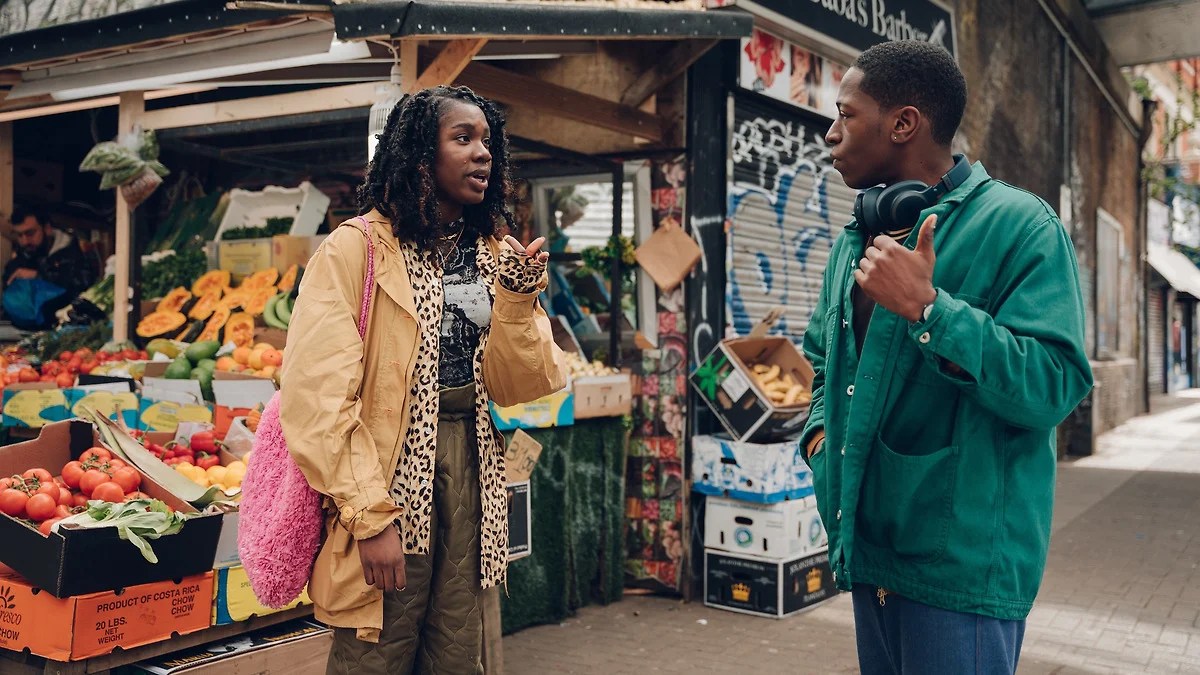
Sometimes, a film can be wholly satisfying without any of the bells and whistles, by just relying on the charisma of the leads and the savviness of the writing. When that’s pulled off, it looks easy, and the film may even appear simple and inessential. But films which do it right are full of life in the best sort of way. Rye Lane is brimming with style and charm, and its two young leads (Vivian Oparah and David Jonsson) are fabulous carrying the entire thing. I’ve seen comparisons to Richard Linklater’s Before trilogy, but I think this stands rightly on its own. It’s a lovely film.
9. Bottoms
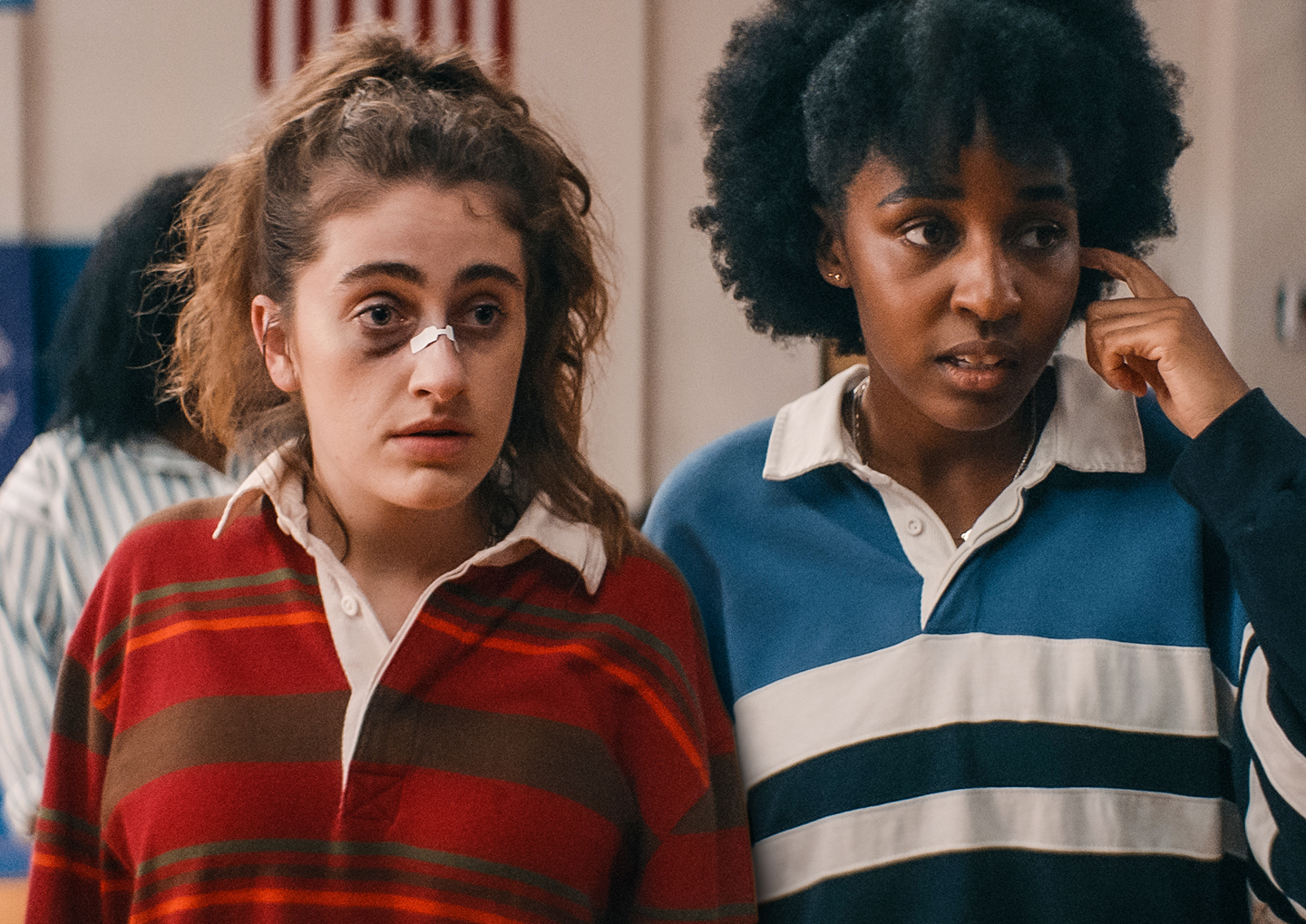
While I admit Bottoms is not superior to Emma Seligman’s previous film, Shiva Baby (a low-key comedy masterpiece), it is more audacious and ambitious. With the premise essentially being a fight club for two high school girls to try and hook up with other high school girls under the guise of feminist solidarity, the film doesn’t exactly scream “can’t miss.”
Add to that that Seligman opts for a wildly oscillating tone that swings between poles of Not Another Teen Movie level of parody and the sappy earnestness that comes in the third act of every John Hughes movie. The equation initially looks like a recipe for disaster. Tone is so important for a comedy, and the balance can be a high-wire act when you’re going for something that is both broad and meaningfully satirical. I was kind of shocked that it all worked for me as swimmingly as it did. Ayo Edebiri and a supporting performance from Ruby Cruz certainly do a lot of heavy lifting; they execute great comic timing and genuine emotional moments.
8. Killers of the Flower Moon
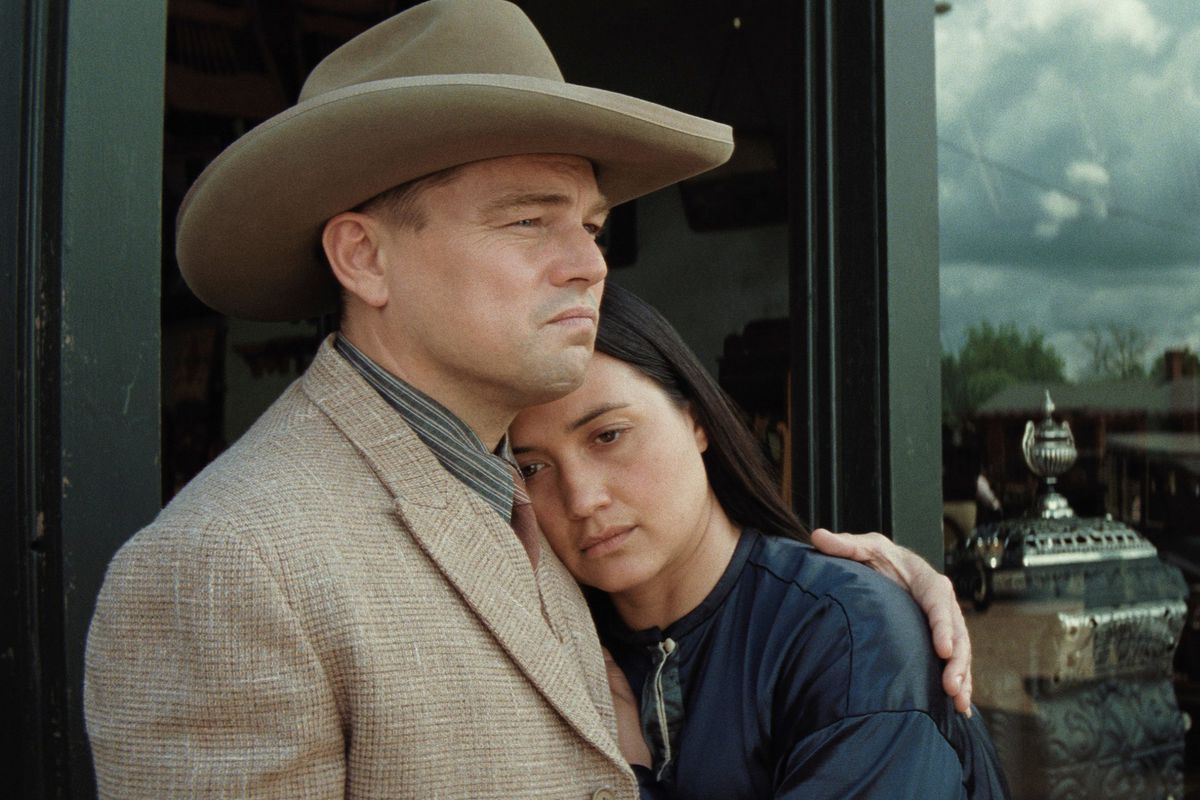
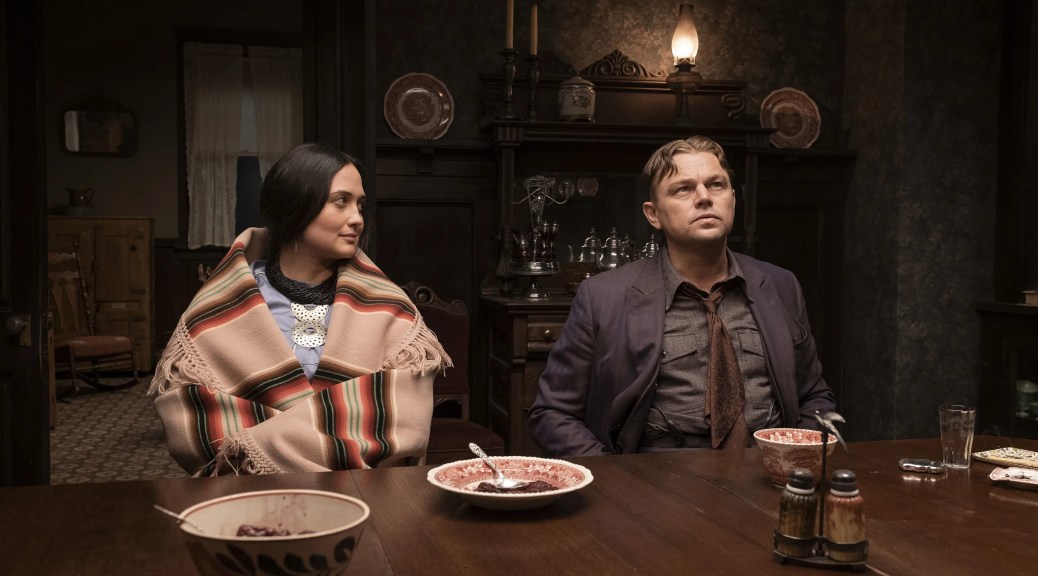
I have lingering issues with some of the ways Martin Scorsese chooses to tell the story of Killers of the Flower Moon. The sidelining of Lily Gladstone and subsequent foregrounding of Leonardo DiCaprio and Robert De Niro’s characters in the film’s final act is a huge misstep for me, lessening the stakes and decentering what makes this story meaningful in the first place. (Frankly, the last hour is downright messy).
Still, on a visual level this might be Scorsese’s best film, and that is saying a lot. The film is an epic in the true sense of the world, rendering spectacle into tragedy with a careful hand. I can’t deny the craft here. The film bears the weight of sadness and grief while also depicting a sumptuous aesthetic, and neither is sacrificed in service of the other.
7. Poor Things
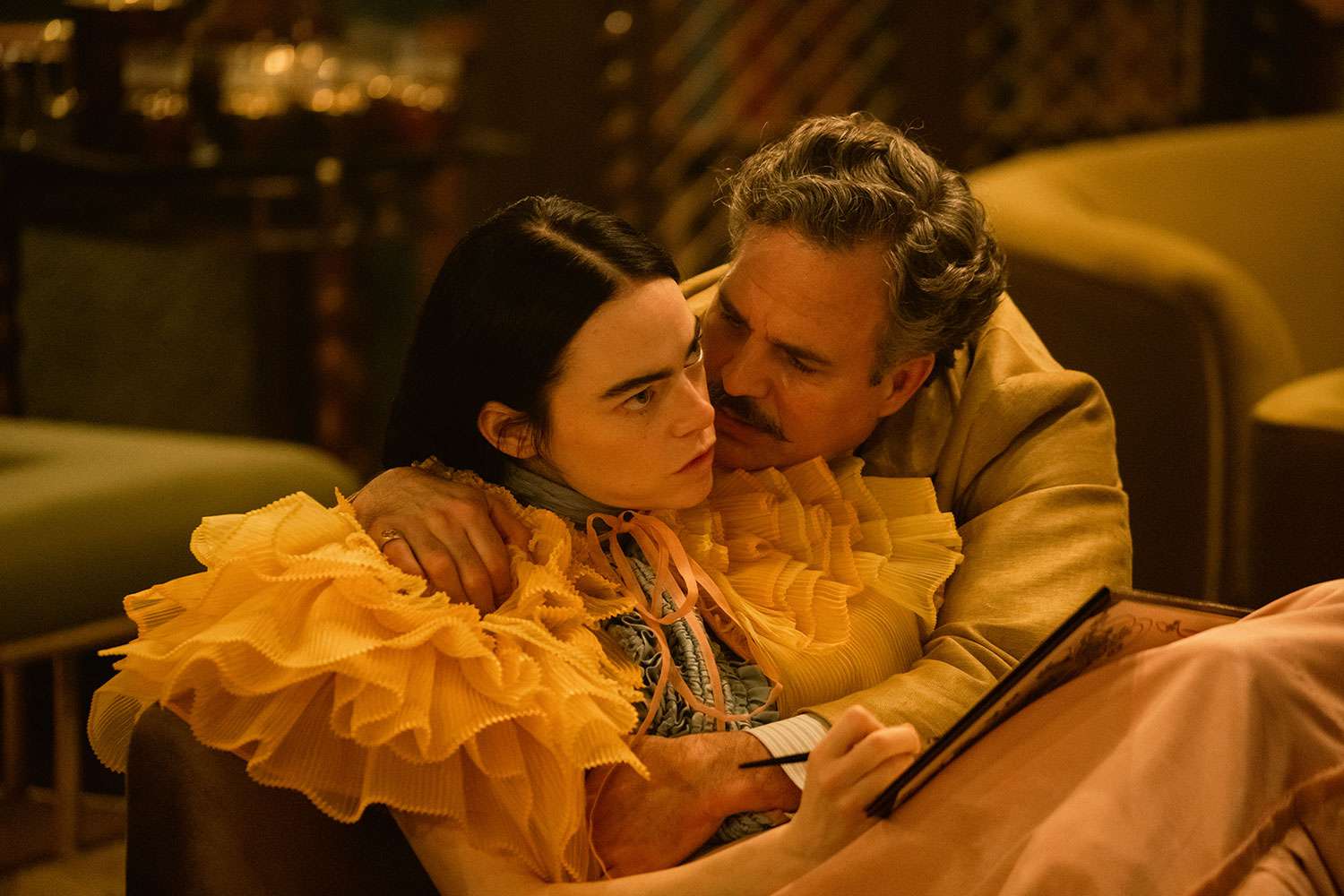
In my review for Poor Things, I discussed just how many Yorgos Lanthimos films are in my personal top 10s for their respective years. Lo and behold, we have another one. Poor Things did not resonate with me the same way most Lanthimos films do. But it is beautifully shot, exquisitely designed, and contains one of Emma Stone’s strongest performances. It may not have a script that begs for a rewatch, but, the first time around, it is a thoroughly entertaining experience in the moment.
6. The Iron Claw
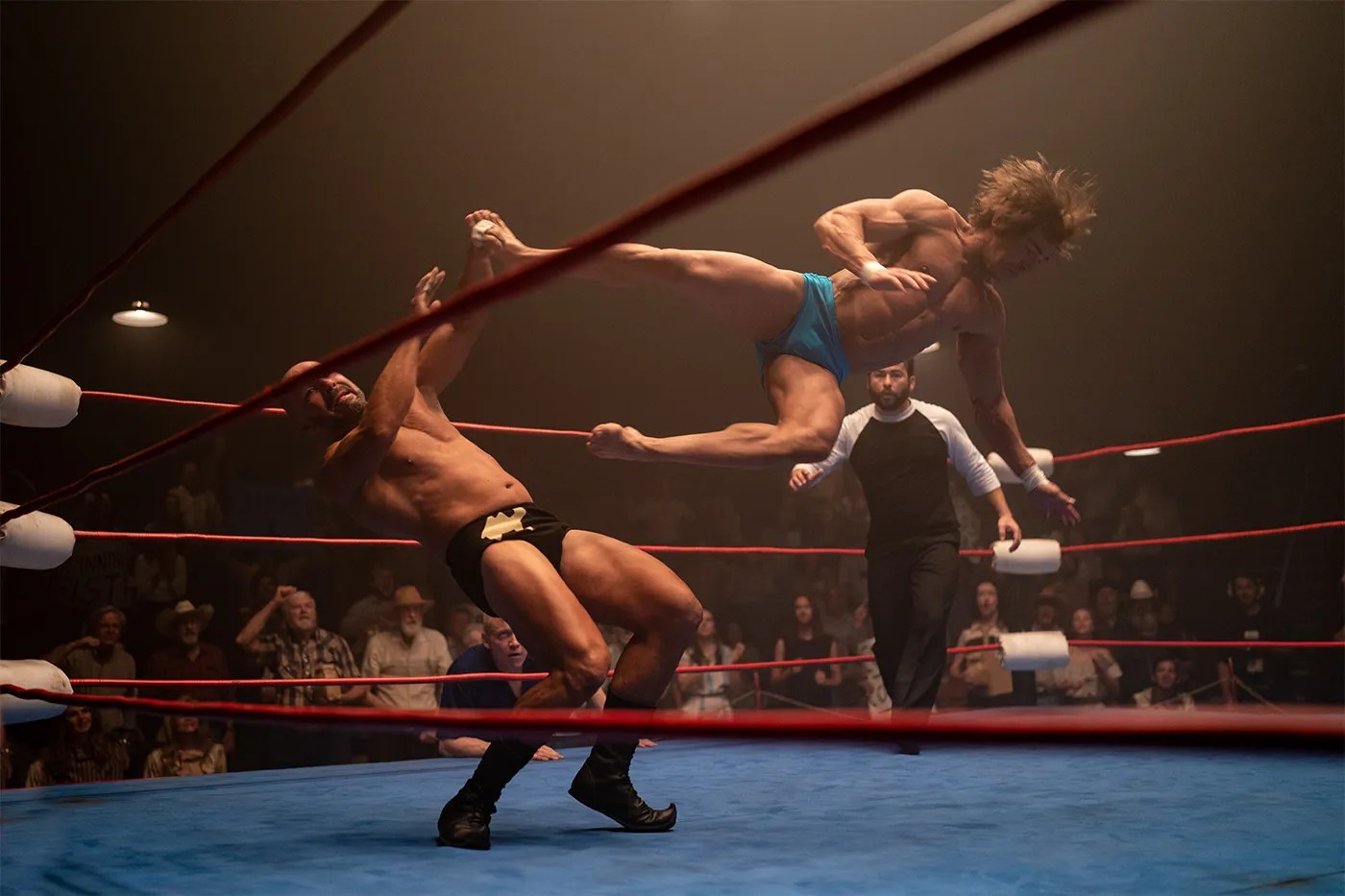
The Iron Claw throws haymakers at you for roughly 130 minutes. It’s a flooring film, directed superbly by Sean Durkin and full of year-best performances by the ensemble. After trying in multiple different ways, I think Zac Efron finally arrives as a star with his turn as Kevin Von Erich. That he appears to be completely outside the Oscar conversation is a shame. Durkin seamlessly blends the sport film with melodrama to make for a heightened drama fitting alongside the hyper-performative world of professional wrestling. There’s so much to chew on with this film that I wished it were 30 minutes longer (and I am not a fan of exceedingly long films).
5. Anatomy of a Fall

There is a sense of longing at the core of Justine Triet’s Anatomy of a Fall that continues to linger with me. It is a longing for truth, for understanding, for compassion, for an intimacy that seems always just out of reach. During the lengthy criminal proceedings of the plot, that longing feels almost like an afterthought, but then a quiet scene will come in and remind you of how painful and real these almost kangaroo court antics are to the characters involved. Aided by Sandra Huller and a great child actor performance from Milo Machado-Graner, Anatomy of a Fall is transfixing in unexpected ways. No matter what you are looking for in a courtroom drama, there is something to get out of this.
4. The Teachers’ Lounge
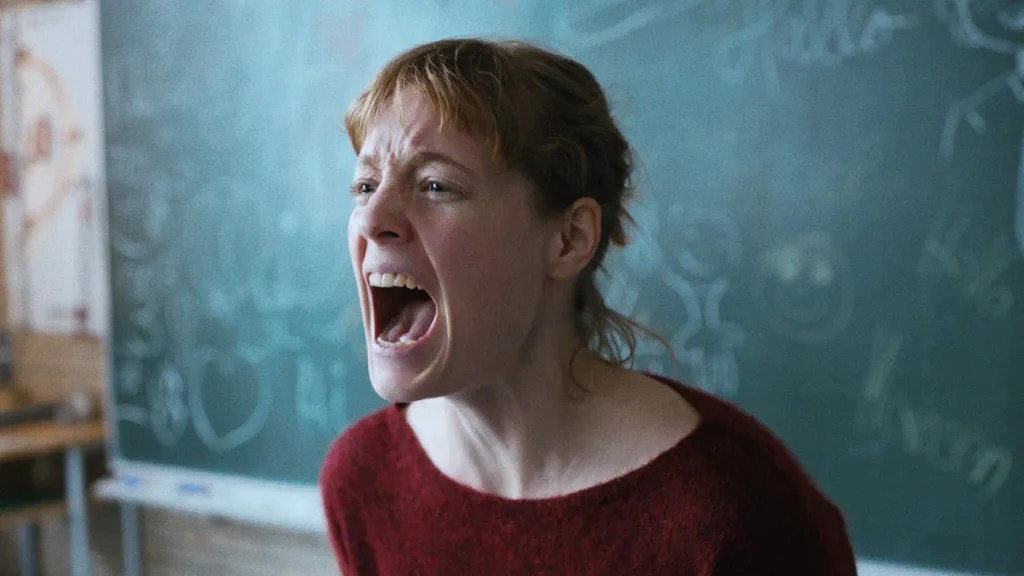
The drama and dark comedy of The Teachers’ Lounge is so unique, and its central performance by Leonie Benesch so compelling, that I was fully sucked in. In İlker Çatak’s film, simple interactions in a primary school have much more severe ripple effects on the community. It is hard to describe what makes The Teachers’ Lounge so enigmatic and intriguing without divulging specifics. Suffice it to say that I couldn’t look away from this wild ride in an unlikely box: a slow-burn thriller unraveling inside a school after a (maybe?) off-base comment about a blouse. The Teachers’ Lounge isn’t life-changing material, but it is compelling as well as thought-provoking in the oddest of ways.
3. Spider-Man: Across the Spider-verse
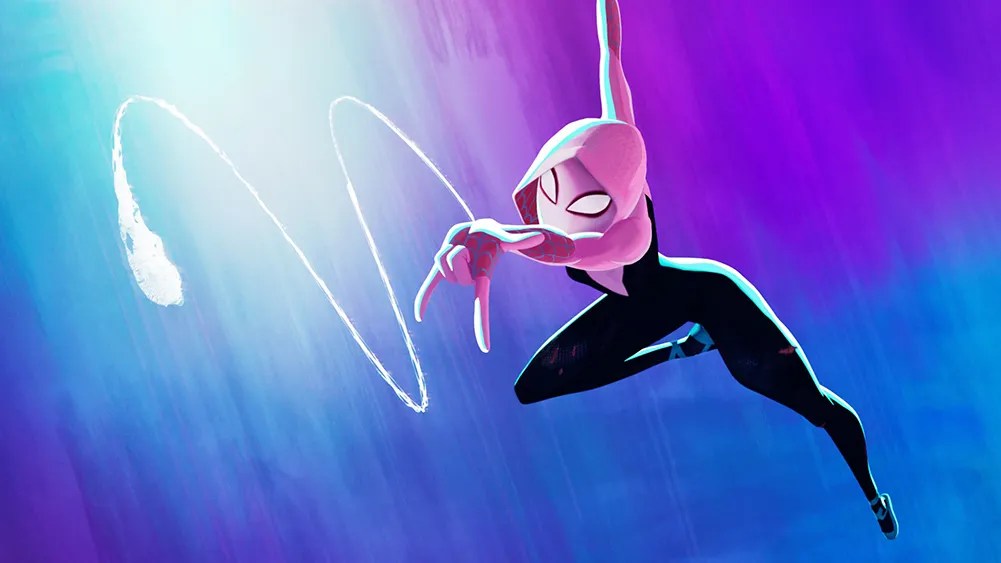
I was not prepared for the follow-up to Spider-Man: Into the Spider-verse (the best Spider-Man film, in my humble opinion) to have even crisper animation and a similarly engaging storyline (with significant more sprawl). In a year where I was floored by the 2D animation of Hayao Miyazaki’s latest film, Across the Spider-verse comes in and delivers the best computer animation I’ve ever seen.
I was born into the coming storm of digital animation. I grew up watching Toy Story and A Bug’s Life just slightly more often than Peter Pan and Snow White, so you could maybe say I’m biased. But I (like many) have witnessed the stagnant boredom and sameness that has resulted from computer animation. These two Spider-verse movies have almost single-handedly resulted in a (beneficial, from what I can tell thus far) sea-change in Hollywood animation. This happened because these movies are really that good. They are impressive, both visually and narratively, (and they make money…which doesn’t hurt).
2. The Boy and the Heron
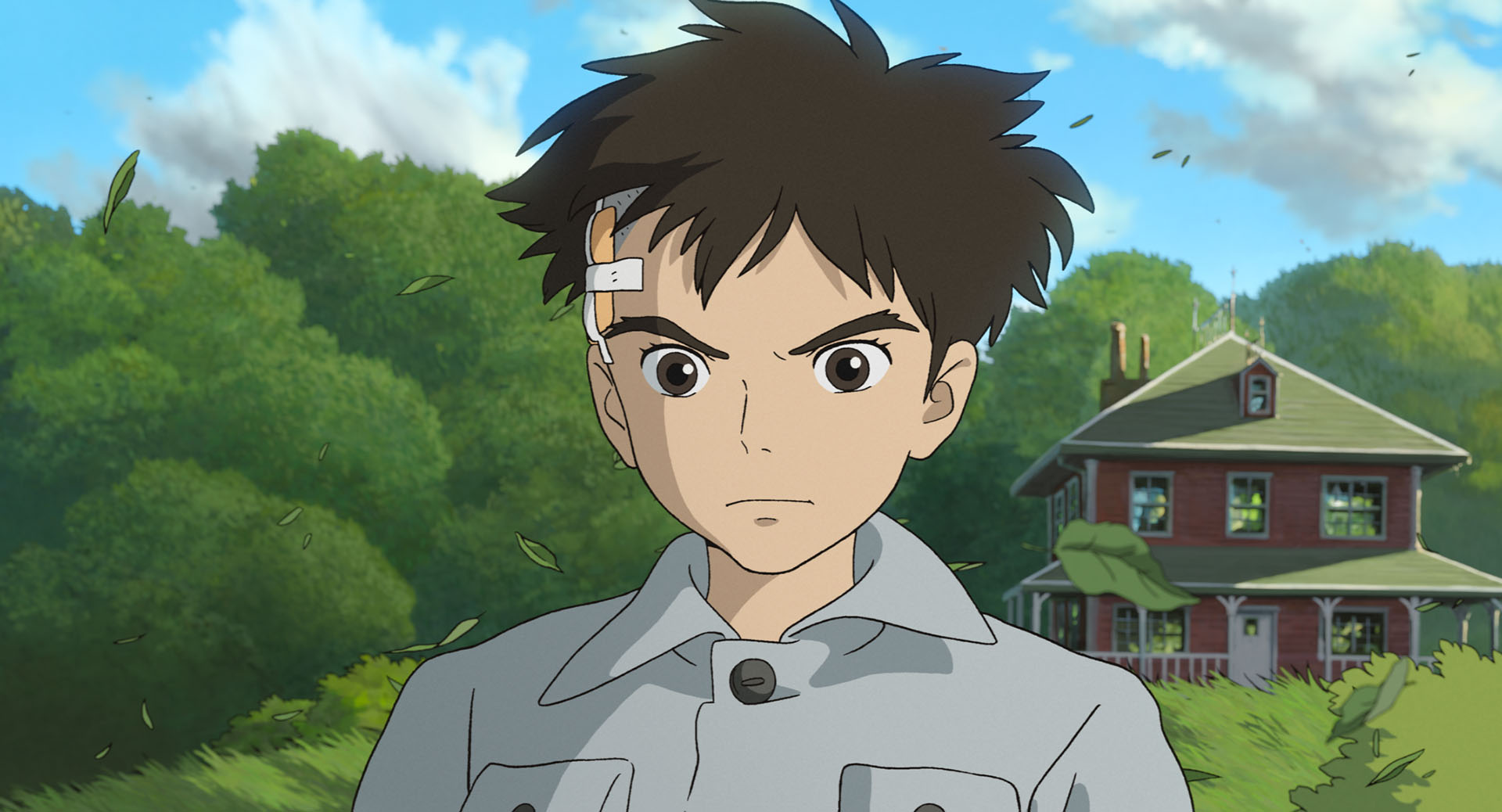
Hayao Miyazaki has been inspiring viewers with his animation for decades, and there’s a reason why his films are so beloved. The man understands acutely what the medium of animation can do for storytelling that live action film simply could never do. It can bleed fantasy and realism without missing a beat. The Boy and the Heron does just that, and the two complement each other perfectly. The film makes beautiful, life-affirming statements out of simple metaphors and a whole bunch of comic relief bird characters. It is easily one of Miyazaki’s top five films. Possibly, his best.
1. Perfect Days
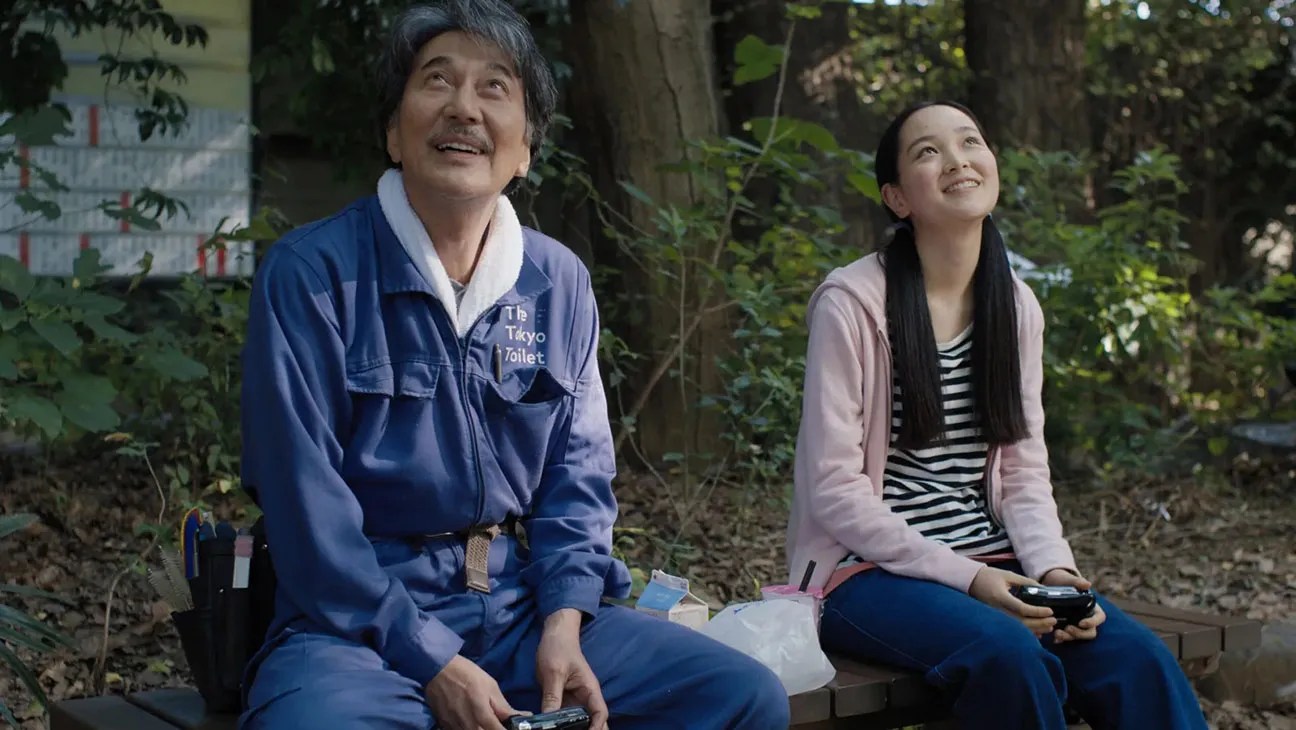
While watching Perfect Days, I thought that Wim Wenders was doing what he does best. Then, I realized that I had only ever seen one Wenders film, and that his career was a huge blindspot in my viewing history. Still, the thought seemed fitting. There is a familiarity that comes through in the unadulterated humanism on display in Wenders’ characters.
Paris, Texas is one of my favorite films, and Perfect Days doesn’t rise to that level of profound examination of the human experience. But it still shines with a quiet radiance. The film is slow cinema, I suppose (when some of the most striking moments of your film come in the form of your protagonist tending to plants and then reading a book before bed, you certainly aren’t doing anything fast). Slow cinema always takes a risk, in that it can alienate audiences if the deliberate events fail to resonate. I think Perfect Days resonates and more. There is joy in every day; most times, you don’t have to search that hard to find it.
As always, thanks for reading!
—Alex Brannan (Letterboxd, Facebook)

