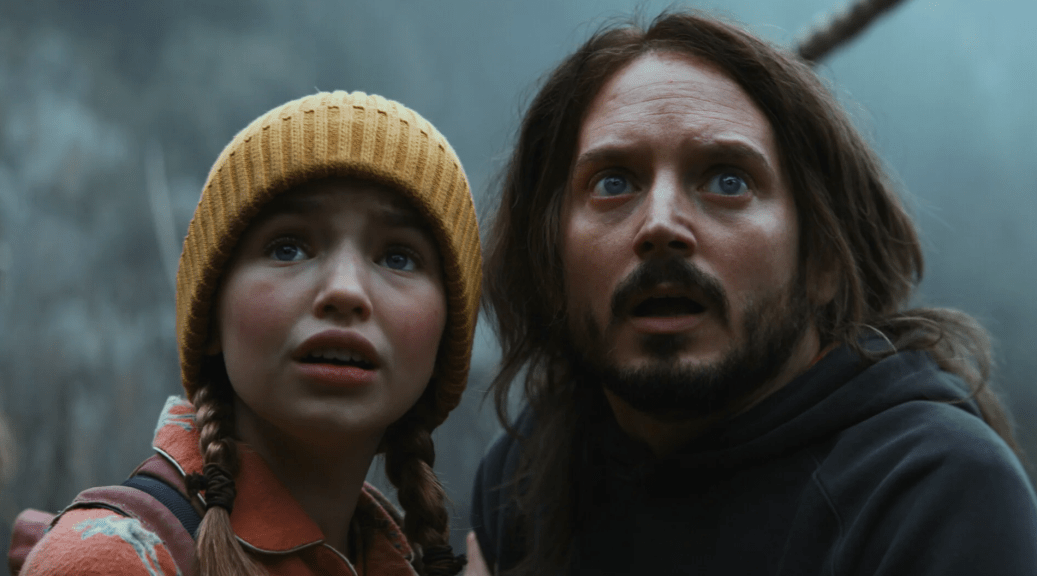
Bookworm is screening as part of Fantastic Fest 2024, which runs from September 19 to September 26.
I recall seeing Ant Timpson’s Come to Daddy back in 2019 at midnight at the Alamo Drafthouse during Fantastic Fest. I also recall being dead tired and not particularly jazzed by the Ant Timpson experience. I’ve since returned to his feature debut following an adequate amount of sleep, and I can still see why I had been turned off by the experience at the time. It’s slow-build story structure and unlikable characters require a little bit of patience. However, while the film is by no means perfect, it is clever and nasty in the right moments.
Timpson’s latest, Bookworm, is a much different type of film (although, both films have a fascination with estranged dads). Far from the oddball comedy thriller of Come to Daddy, Bookworm is an oddball, mostly family-friendly comedy about dangerous predators in the New Zealand wilderness.
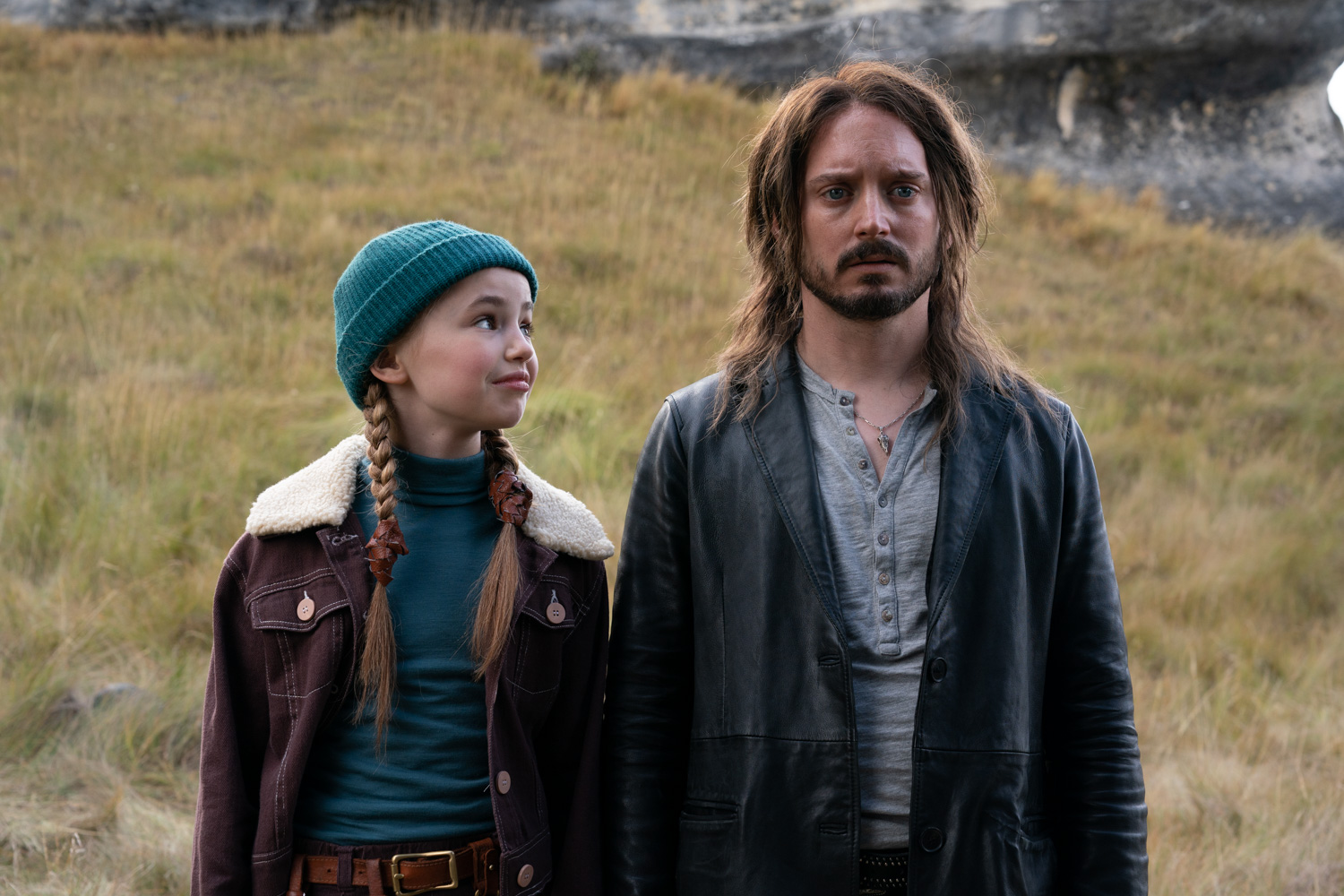
After her mother falls into a coma due to a freak toaster accident, Mildred (Nell Fisher) requires a new chaperone for her backpacking trip into the wild. Enter, Strawn Wise (Elijah Wood), a struggling magician (read: “illusionist”) who looks like a hippy Criss Angel, and who is also Mildred’s absentee father. Strawn’s name is also one of the film’s funnier gags, in that Strawn Wise proves to be neither particularly strong nor wise, despite believing those are the attributes a good father should embody.
Mildred is an overly-precocious young girl with a broad vocabulary and a knack for problem solving. Strawn, meanwhile, cannot really do much for himself beyond Magic 101 gags. It is a classic buddy movie dynamic. Beyond that, Strawn’s relative naivety adds a dimension of empathy to his jump-start relationship with his daughter. At the same time, while this film is billed as a comedy adventure romp for all ages, the deliberate way by which the central relationship develops may leave the younger demographics squirming in their seats from boredom.
The older group, meanwhile, may need to will away cynicism in order to meet the explanatory precocity of its lead on the film’s terms. Mildred’s is the type of child character archetype that has long plagued film and literature. It mostly works here, because Fisher is charismatic. Still, mileage on this character will vary (for a barometer, she calls food “calories” on more than one occasion).
Armed with a jaunty score and well-shot nature footage, Timpson’s two-hander character study comes packaged with a quality texture. The character study itself could use some added texture of its own, but it has its moments. The depths of the father-daughter relationship are nothing new—it’s about kindling a nascent, warm bond in the same way that a magician’s concealed flint creates a magical spark. Beyond the parent-child charm, there are also instances of off-beat humor that really work (as in the slow-building absurdism of Strawns’s monologue about his industry rivalry with David Blaine). Ultimately, Bookworm takes some time to get into its paces, but once its characters are indeed lost in the wilderness, and the conceit moves closer to the adage that one must first be lost to be found, Timpson’s film shines.
Bookworm: B
As always, thanks for reading!
—Alex Brannan (Letterboxd, Facebook)
 CineFiles Movie Reviews