
The Screamfest Horror Film Festival recently wrapped up its 24th annual edition at the TCL Chinese Theatre in Los Angeles, California. Here are reviews of a selection of the program’s films.
Antropophagus Legacy

Dario Germani’s Antropophagus Legacy is, perhaps, a continuation of his 2022 film Antropophagus II, itself a sequel (if only in name) to the 1980 cult cannibal film Antropophagus.
This flesh-eating entry follows Hanna (Valentina Corti), who we meet recovering in a hospital bed after her husband’s death (which she is promptly accused of). It is revealed to Hanna by a nurse that she is pregnant, which prompts her to flee the city and evade police capture. During this flight, she requests the aid of a family member, Hugo (Salvatore Li Causi). Hugo presents the “legacy” in the film’s title (spoiler: it involves people eating people). With a predictably plotted series of flashbacks, it is revealed to Hanna that her family heritage involves a situation of forced cannibalism, and the hunger for flesh has, I guess, followed down the bloodline.
Hugo is meant to be a sinister, sick villain, but his actions mostly come off silly and performative. There is something to be said, though, for a gore film that honors its forebears with an adequately gaudy and quaint pastiche. It’s not like 1980s cannibal movies (however gross-out they may be) were the cream of the cinematic crop; even fans would have to admit they had their shoddiness and shortcomings. To recreate them with some degree of seriousness in the 2020s is something of a tough sell, especially when the horrors of fascism are placed directly next to the gloopy antics of low-budget splatter. To add insult to injury, the whole cannibalism thing mostly occurs in the film’s background, which kind of defeats the purpose of a cannibal film.
Ba
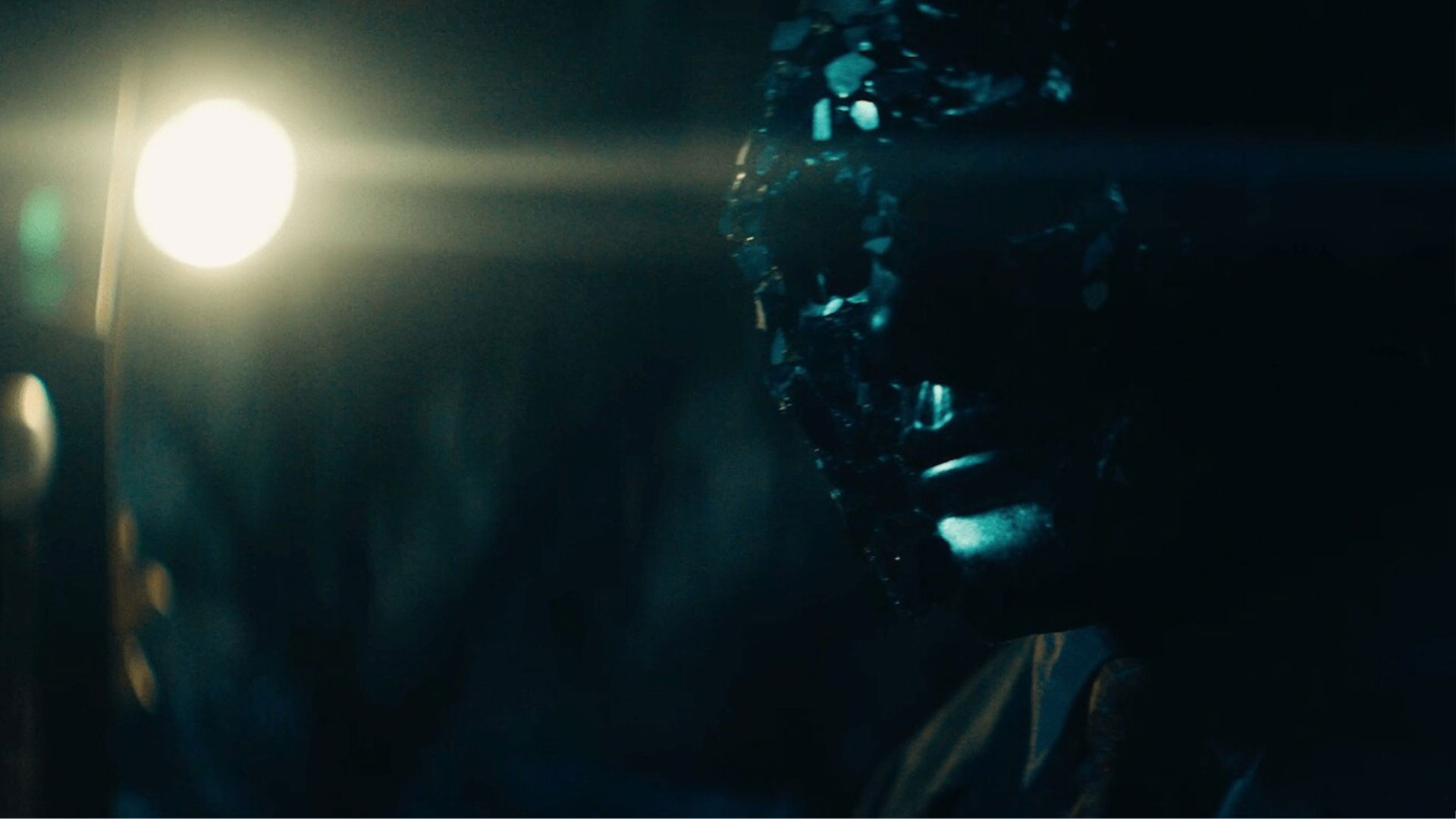
Daniel (Lawrence Kao) has fallen on hard times. After a leg injury tanked his burgeoning career as a backup dancer, he is evicted from his home. Desperate for a stable place for him and his daughter Colette (Kai Cech), he seeks help from a cousin, who refuses to let them in. Faced with the possibility of raising his daughter out of his car, Daniel jumps at the first chance to come into some money. That chance: a duffel bag filled with strange messages and a duffel bag’s worth of cash.
By accepting the money, Daniel agrees to serve the role of grim reaper, appearing to others only as the specter of death and killing anything that he touches. To recoup the debt owed, he must repay eleven times the amount of money in souls.
The simple Faustian bargain at the center of Benjamin Wong’s film is also simple in its effectiveness. View it as a metaphor for the struggle of the lower class if you want: a single parent grinding away at a job just so his child can live comfortably, but the long hours come at the cost of barely seeing that child grow up. Or view it as the emotional center for a supernatural, horror-lite drama. Either works just fine.
The mileage of the premise is the film’s shortcoming. The central parent-child relationship is well-done, but the underworld economy of being a grim reaper, which takes up a similar amount of screentime, lacks in intrigue. The cliché CPS subplot also eats up way too much of the runtime.
The Complex Forms
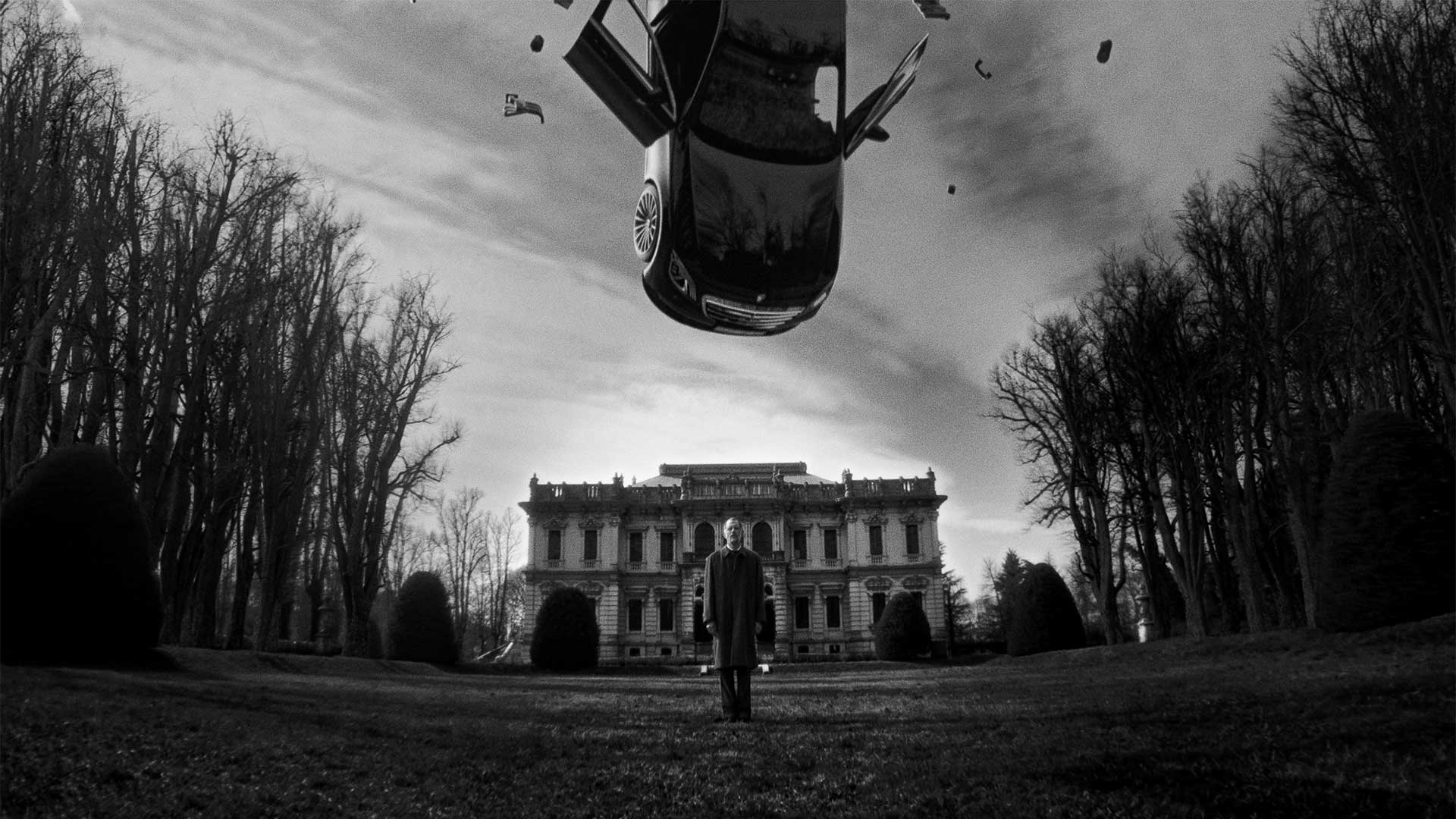
The Complex Forms is quiet and deliberately paced; perhaps too deliberate for its own good. At only 74 minutes, it spends a good deal of its runtime patiently wiling away the hours three men spend slowly discovering what is actually happening at the strange villa they have voluntarily signed up to be held hostage within. For compensation, the men have agreed to be possessed for a priorly agreed upon number of days. Once they see just what it is that will be possessing them, however, they experience cold feet.
I’ve certainly been more patient with more airheaded films than this. I’m already seeing this being situated alongside Tarkovsky and Bergman, if only for its style and tone. But this doesn’t have the heady observations on the human psyche that accompany those filmmakers’ striking sense of style and tone. Its slow burn doesn’t yield anything particularly worth the wait.
Still, its spare effects work and even sparer mise-en-scene are employed nicely by first-time feature director D’Orta. A certain group will melt for the black and white cinematography, as well. Some will call this a “hidden gem,” and I won’t blame them.
In the Name of God
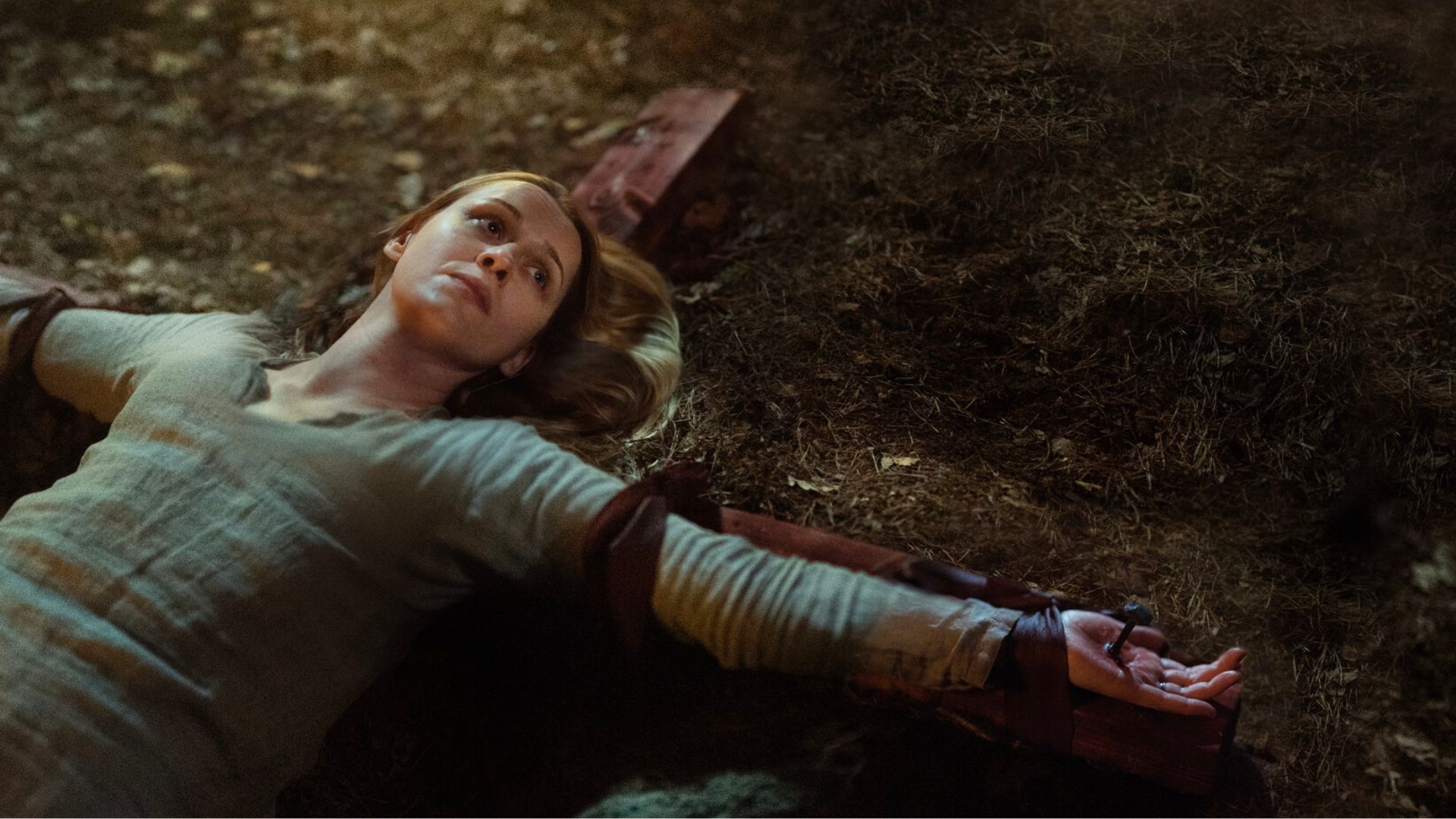
Theodor (Linus Wahlgren), a humble priest, is challenged by a sudden illness that overtakes his wife, Felicia (Lisa Henni). Seeking any form of guidance, he is led down a dark path of religious ritual by a confidant (Thomas Hanzon). Initially reluctant to do what he views as a sinful deed, Theodor nevertheless participates actively in the violent ritual. He is surprised when it results in the miraculous recovery of his wife.
Haunted though he is by what he has done, Theodor attempts to go about his daily life, giving sermons and preparing for an expected newborn. But others also want a taste of his miracles, to grave results.
In the Name of God benefits from the centralized internal conflict of its protagonist. To see faith be utilized in horror in this way – which is to say, not simply as a path toward a God-Satan binary – is intriguing. The tension of the film is a moral one, not one driven by a pitchfork-wielding demon. The fear stems from what one might do when faced with the ability to intervene in human life as only a god could do. The film stumbles in its final act, do to a more external force that heightens the conflict and overshadows Theodor and Felicia.
Scared Shitless
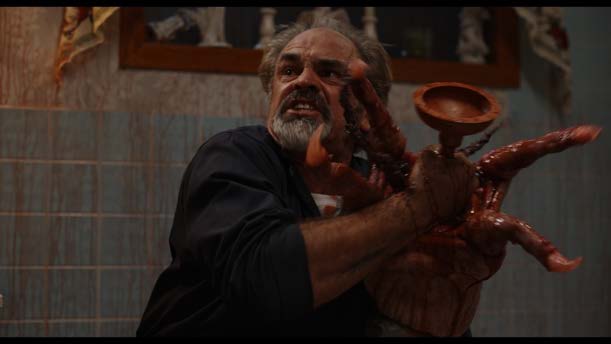
Scared Shitless is, as its title suggests, obsessed with the scatological. Juvenile as that sounds – and juvenile though it often is – the film makes good use out of a simple premise. The germ-fearing son of a plumber (Daniel Doheny) is forced into a ride along on a job in an apartment complex. Unfortunately, it will be the messiest job the 30-year plumbing veteran (Steven Ogg) has ever experienced.
In order to keep the events of this splattering creature horror feature locked into the single building, the script provides half-baked motivations as to why the plumber alone should suffice as aid when blood starts pooling up in toilets and bodies start piling up. For a sub-80-minute film, there is not enough time to bring in the proper authorities, I suppose.
On the other hand, the film being utterly no-frills mostly works to its advantage, in that it paves the way for silly characters being harassed by wormy creatures (impeccable craftsmanship from Steven Kostanski on the creature design) and the occasional fart joke. The right audience will discover Scared Shitless, and while they are not likely to be scared by it, they will enjoy its passion for the tactile and the squirmy.
Witte Wieven

Didier Konings’ bite-sized witchy feature Witte Wieven (aka Heresy) is a brooding, moody folk horror. At first blush, it looks and moves like a riff on The Witch, forbidden and ominous woods included. Religious patriarchy reigns in a small medieval farming village. Frieda (Anneke Sluiters) and her overbearing husband are struggling to conceive a child. When the blame falls on her, she sees her faith tested. Eventually, she finds herself in the dangerous woods that no one seems to return from. When she does, in fact, return, the town assumes the devil’s work is the reason why.
Originally aired as a TV movie by Dutch broadcaster VPRO, Witte Wieven is making the horror festival rounds this fall as a stand-alone feature. In that regard, it doesn’t quite feel like a full experience. Contained though the story may be, it struggles to move at an engaging pace, and its final act makes abrupt work out of characters that are only loosely constructed. Still, fans of the folk horror sandbox will likely enjoy the ride, however brief.
As always, thanks for reading!
—Alex Brannan (Letterboxd, Facebook)
 CineFiles Movie Reviews