The Internet is filled with scams. Scalpers have been around as long as there have been tickets to sell, presumably. Snake oil salesmen before that. So long as there is a way to make a quick buck on a rube, people have tried.
The anonymity of these individuals is part of their strength. Shadowy individuals scoop up as many hot-item concert tickets as possible and mark them up by many multiples. Who are these people? Conventional wisdom would suggest: apathetic scumbag, opportunistic scumbag, scummy scumbag.

Director Kiyoshi Kurosawa only challenges this conventional wisdom enough so that we understand the motivations of the reseller at the center of Cloud. They aren’t all honorable motivations, certainly, but we are nevertheless provided a whole character in Ryosuke (Masaki Suda), a young man uninspired by the idea of being bossed around. Beyond this, he has zero interest in being part of a chain of command at all. When offered a middle management promotion at his factory job, he quits. When his reselling hustle grows, he reluctantly takes on a subordinate. More than anything else, Ryosuke wants to be left alone—even his doting girlfriend Akiko (Kotone Furukawa) seems to be an afterthought for him.
This desire for privacy poses a problem when he starts suspecting that the people he has scammed are hunting him.
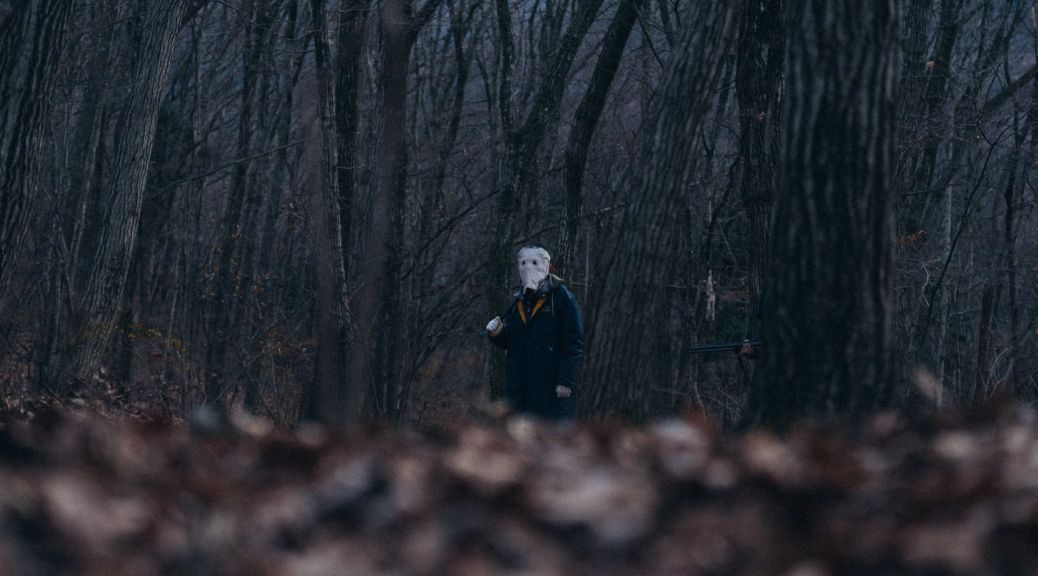
The sense of paranoia that Kurosawa produces in Cloud begins with a jolt. Skidding off the road on his moped, Ryosuke discovers a thick wire tied taut between two trees in his path. Later, a chunk of metal described simply as “an automobile part” is thrown through his window. The elements here are not subtle, yet Kurosawa still manages to produce brief sequences of dread with his lingering camera, which often arcs slowly around Ryosuke like a voyeuristic predator.
What is slightly more subtle is the film’s examination of the miserabilism experienced at the bottom rungs of capitalism. Early in the film, Ryosuke has conversations with a fellow reseller, who appears in a constant state of despair despite talking about a potentially lucrative business venture. We later learn this venture did not turn out, and he is still reselling. (The sad-sack boss that offers Ryosuke a promotion is also decidedly depressing as a symbol of bureaucratic capture).
Admittedly, much of this commentary about the would-be exploited becoming the exploiter is drowned out in the mayhem of the final act (the last two scenes circle back to really hammer the ideas home, though). Still, that climax is enjoyable on its own merits, even as it feels like we’ve stumbled with Ryosuke into an entirely different film.
Cloud could have been a by-the-books revenge thriller. So many revenge films retread the same formula, in which the one seeking revenge is the noble one (or at the very least, antiheroic) and the one having revenge exacted upon them is objectively objectionable. Here, Kurosawa keeps all sides muddy and, largely, amoral. In fact, it’s crucial to the film’s central conceit. Ryosuke intentionally blinds himself from the consequences of his actions, leaving open the benefit of the doubt that maybe the items he is selling are not fake designer goods. He has deluded himself just enough to keep going, but not enough to not feel the monkey on his back. So when he is finally confronted by his demons, he asks the question that he appears to have constantly suppressed: “Am I…so bad?”
The answer is, yes, he is bad. But is any other character in this film much better? However you choose to assess Ryosuke and the others, it is the “so” in the original question that raises so many, more complicated questions.
Cloud: B+
As always, thanks for reading!
—Alex Brannan (Letterboxd)
 CineFiles Movie Reviews