
The Peril at Pincer Point is screening as part of the 2026 Fantasia International Film Festival.
The low budget fantasy comedy The Peril at Pincer Point follows a film industry sound engineer named Jim Baitte (Jack Redmayne), who is on the verge of getting sacked off the latest project from big shot director P.W. Griffin (Os Leanse). To save his job, he must travel to the remote island of Pincer Point and capture a sound so special that it has never before been recorded in human history. Directed by Noah Stratton-Twine and Jake Kuhn, Pincer Point is an imaginative and idiosyncratic film with a DIY aesthetic and its heart on its sleeve. As such, it is sure to win over the festival audience.
The film has a specific sense of humor, and one’s mileage will vary. There is something intriguing about the long-winding, antagonistic conversations that the protagonist is continually pulled into. These conversations will sometimes drone on for minutes on end, circling around illogically and ending in a place that could have been achieved with two lines of dialogue. The inciting incident of the film takes two full scenes to develop, and the end result is that Jim is tasked with taking a ferry to Pincer Point to employ a woman for a film production. Characters talk over and around him, berating him and each other, talking so much but saying little of value. Ultimately, the conversations advance the plot, but they do so in intentionally meandering and plodding ways.
It might go without saying, but this scripting impacts the pacing of the film. The film dwells on strange characters and Jim’s exasperated reactions to everything they do. Given that the film is light on plot–and what plot does exist is not treated with the utmost seriousness–the film really hinges on the comedy of these conversations. These interactions comprise most of the film, and the patter gets a bit tiresome over time.
Then, a character (played by Alyth Ross) enters in the second half to deliver a monologue that completely rejuvenates the film. With a theatrical five minutes of screentime, she carries the viewer into the final act. It is the standout scene of the film, and Ross is the reason why.
The Peril at Pincer Point has a much different energy than Hundreds of Beavers, but it feels like the type of film that could earn a groundswell of word-of-mouth support in the same way Beavers did. It is passionately made, lo-fi to its core, and has a distinct personality that some viewers will be absorbed by. I was in the minority opinion regarding Hundreds of Beavers (didn’t love it, but it was fine). While I enjoyed Pincer Point just fine, I still think I will be sourer on this film than others. It is not perfect. The performances range in quality. Some of the costume and set design distractingly reveal the budget (albeit this appears to be an intentional decision). And the deliberate pacing of scenes makes the 80-minute experience feel closer to 100, especially during the first two acts.
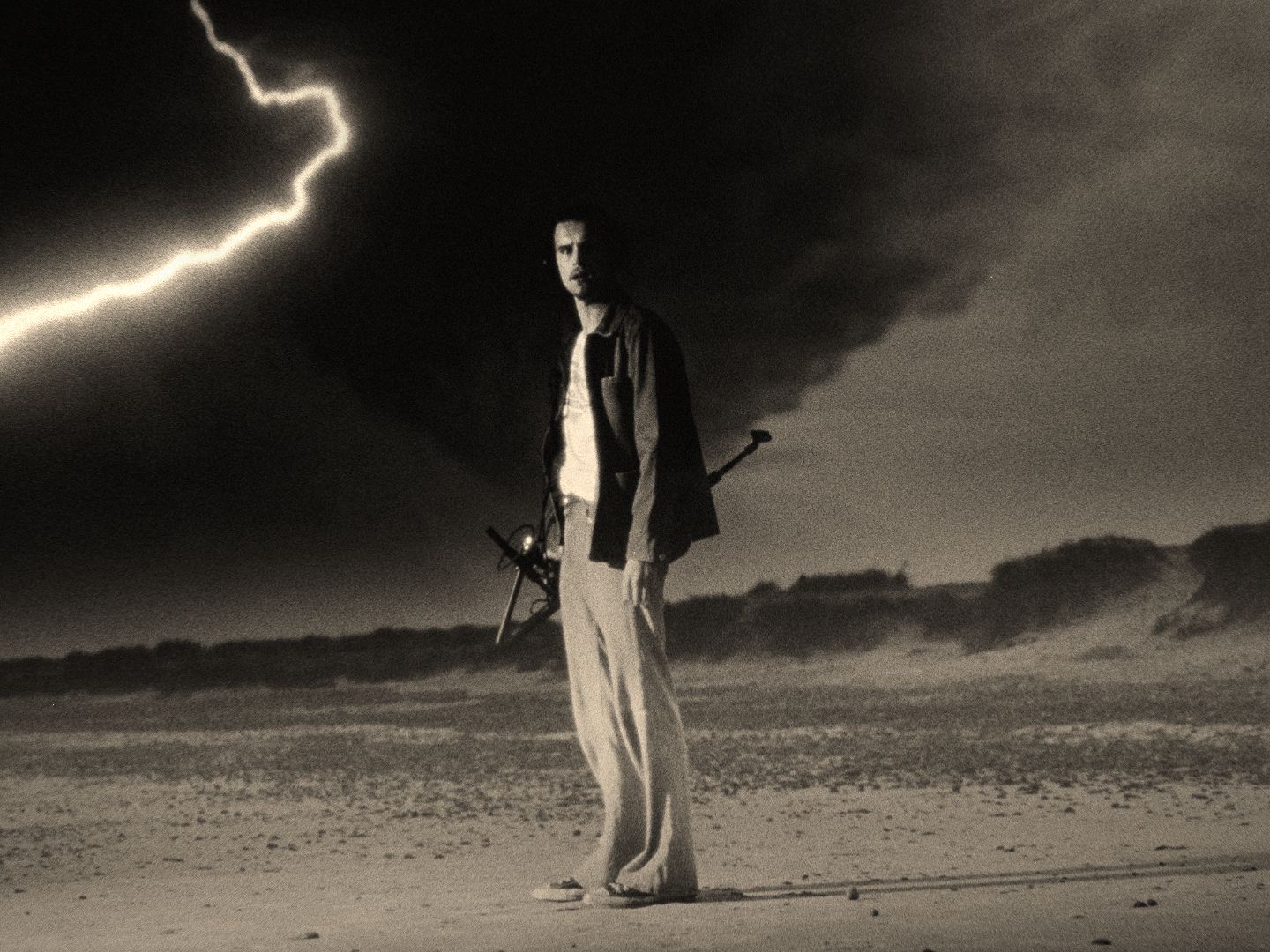
This is not to deny the film’s craft. Fantastical sequences are shot with lovely, hazy black-and-white cinematography. There is a distinct aesthetic to the film, from the B&W seaside imagery to the crackling soundscape. (One of the film’s best scenes deploys both the visual and audio aspects of this aesthetic toward fantastic comedic ends, using shot distance and the diegetic use of audio recording devices to craft a miniature comic set piece). There is much to appreciate about this film, and as I said, I think it will find its loving audience.
The Peril at Pincer Point: B-
As always, thanks for reading!
—Alex Brannan (Letterboxd)

