Movies I absolutely loved. Love, of course, is a subjective term. For me, loving a film means being wholly drawn into it or being intrigued into watching the film again. If I left a movie with my mouth agape or nodding my head contently, chances are “Love It.” is my short-form review.
The Internet is filled with scams. Scalpers have been around as long as there have been tickets to sell, presumably. Snake oil salesmen before that. So long as there is a way to make a quick buck on a rube, people have tried.
The anonymity of these individuals is part of their strength. Shadowy individuals scoop up as many hot-item concert tickets as possible and mark them up by many multiples. Who are these people? Conventional wisdom would suggest: apathetic scumbag, opportunistic scumbag, scummy scumbag.
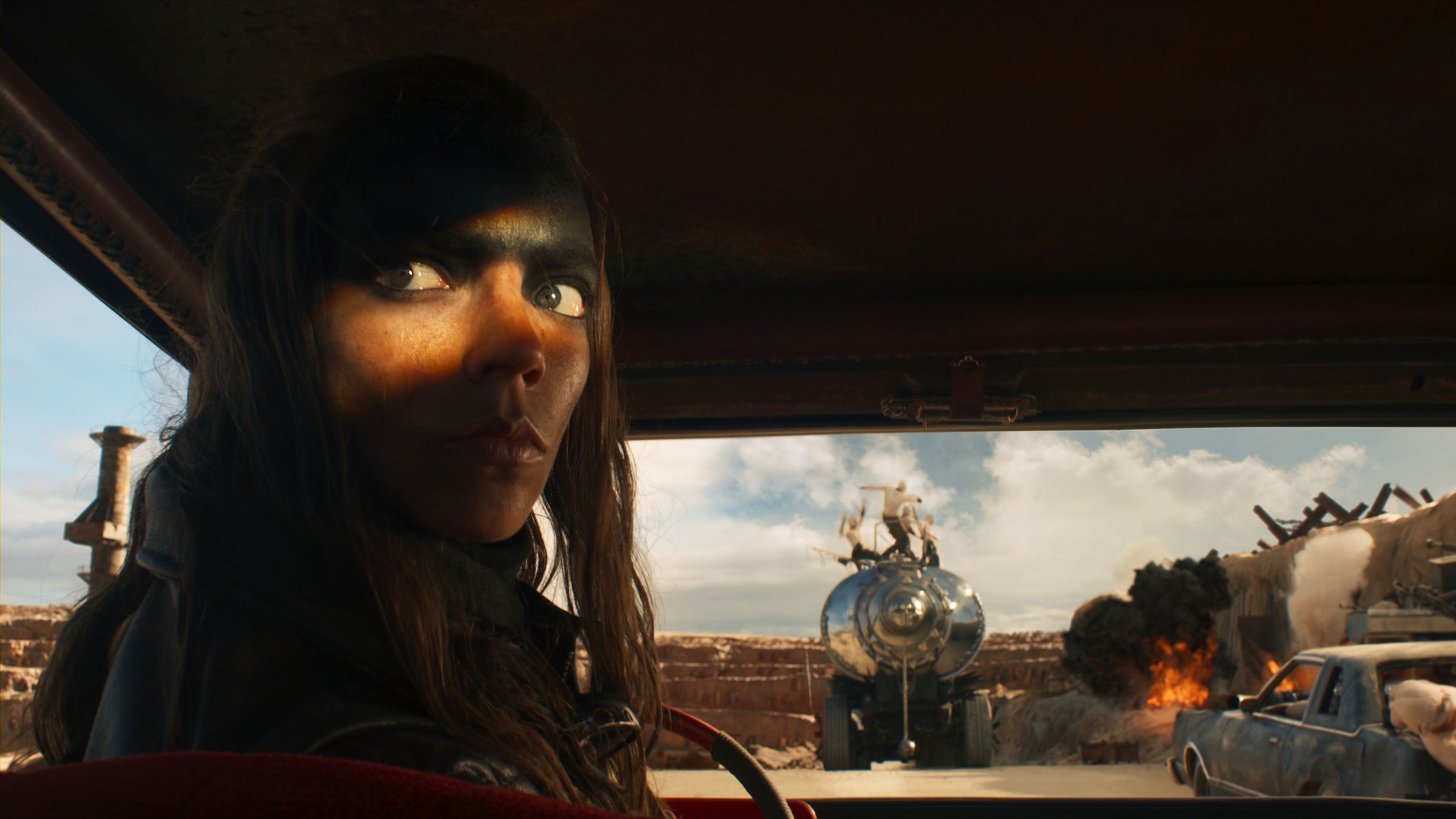
George Miller’s Furiosa is a prequel to his acclaimed fourth Mad Max film, Fury Road. It tells the story of how Furiosa (portrayed by Charlize Theron in Fury Road and Anya Taylor-Joy here) found herself in the employ of the despotic leader of the Citadel, Immortan Joe (Lachy Hulme, who is only slightly less menacing than Fury Road’s Hugh Keays-Byrne).
Beyond being one of those prequels that merely traces the line back to the start, Furiosa also spends much of its runtime fleshing out the world of the Mad Max Wasteland and the three tenuously symbiotic settlements that keep life there from snuffing out. The combination of these two threads – the personal story of Furiosa and the grander narrative of human survival – make for a film that weaves vengeance and history-making into an epic yarn.
You suffocate, then you learn how to breathe again.
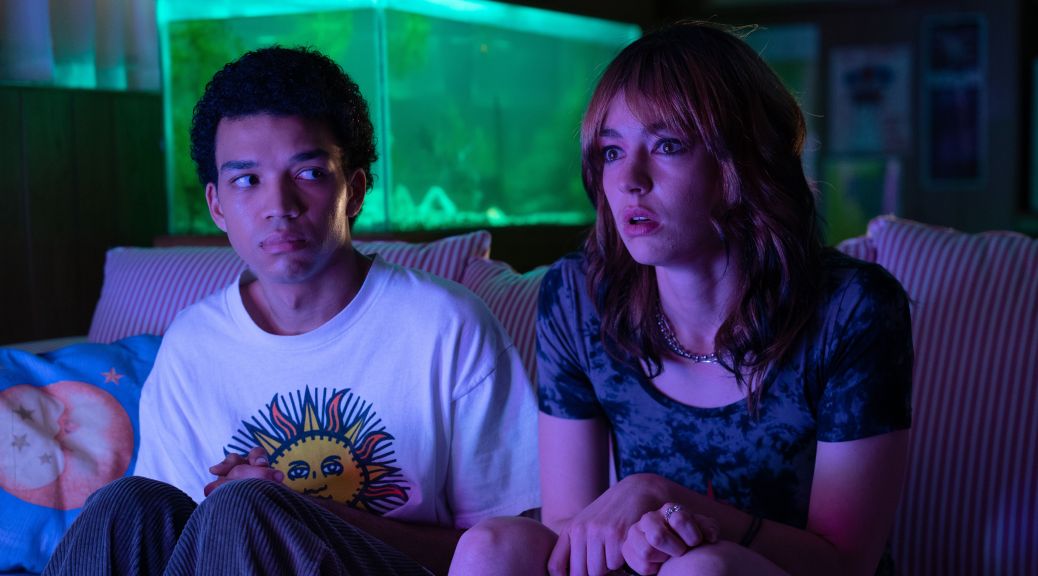
Jane Schoenbrun’s magnificent I Saw the TV Glow is a suburban-set semi-hallucinatory, semi-body horror piece of magical realism. Yet the film feels definitively lucid, articulating with striking poise a story about fluid identity and the repressive external forces that work to render that fluidity categorical. It is also a film whose body horror elements (which are quite minimal to the eyes of a frequent horror viewer) should not scare away the squeamish. Indeed, much of the horror regarding the body involves deeply conflicted and isolating internal states, as opposed to buckets of blood.
As for the magical realism, it is the icing on this hazy, flickering cake. Aided by an effectively moody soundtrack and some evocative imagery, Schoenbrun produces a film that feels Continue reading I Saw the TV Glow (2024) Movie Review→
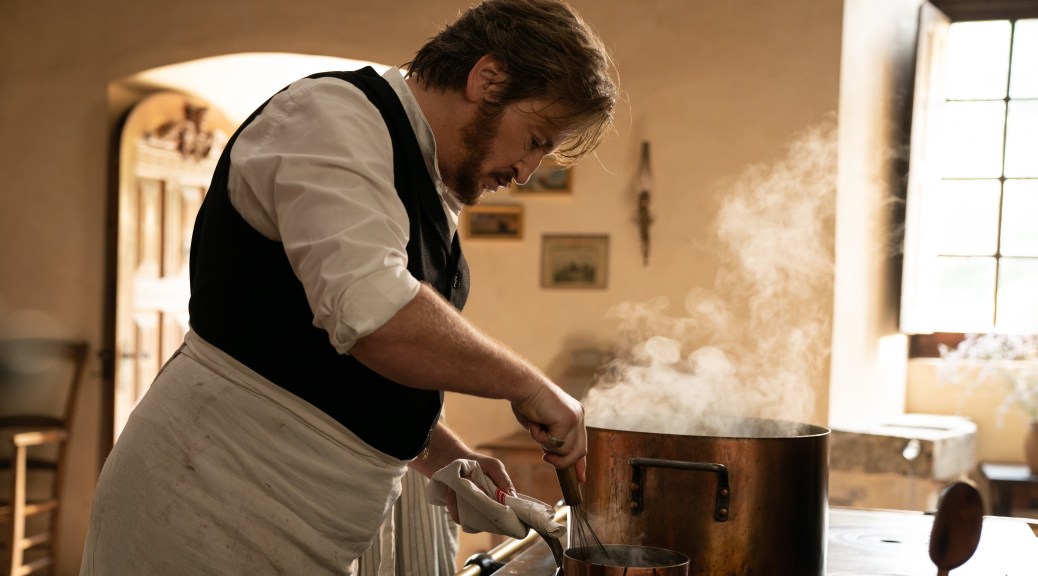
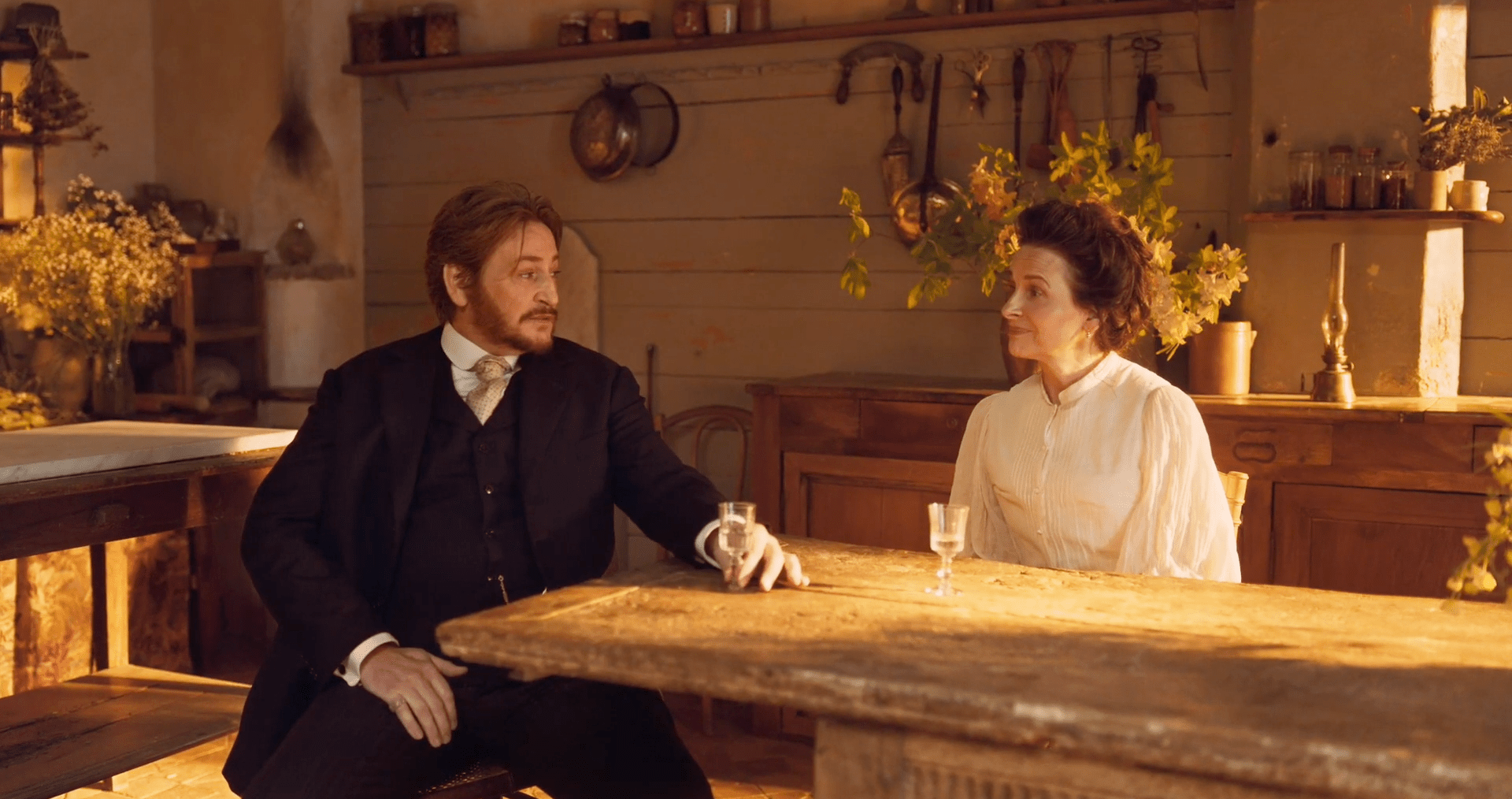
If someone tried to argue that cooking is the most cinematic activity, it wouldn’t take much to convince me. The Taste of Things would make a good Exhibit A (or Exhibit B under Tampopo. Or Exhibit C under Big Night. Et cetera). When done right, there is something about the film depiction of cooking that just feels whole, like a full experience. Cooking is tactile, textural, occasionally sensual. It brings all of the senses into harmony. For someone like me who doesn’t know the first thing about the craft or art of cooking, The Taste of Things might be the closest I’ll come to understanding that harmony (I don’t even know half of the ingredients in the dishes prepared in this film).
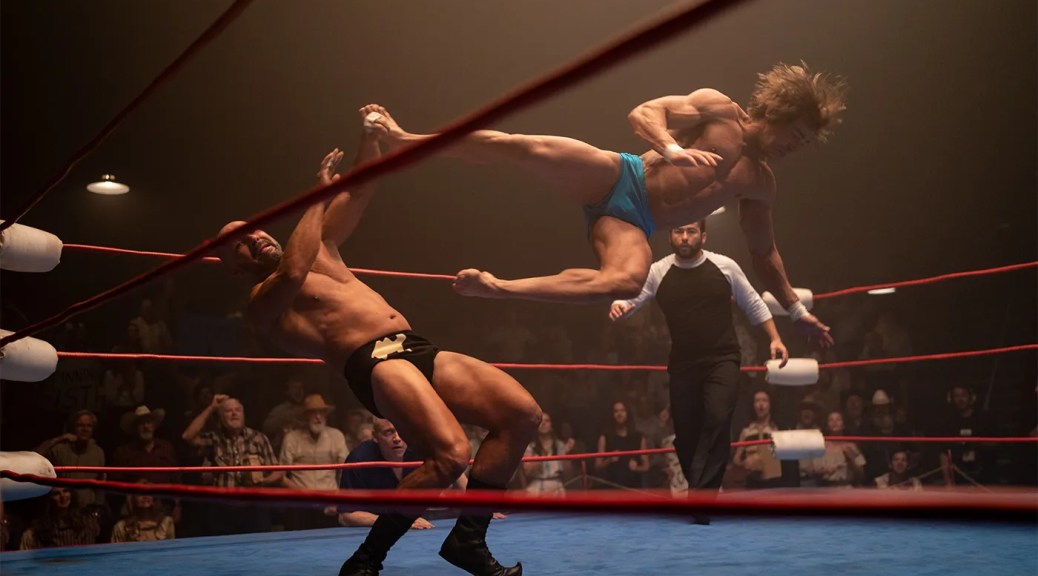
Sean Durkin’s films are about haunted people. In The Nest, the English manor the characters move to becomes a haunting symbol of their marriage crumbling down around them in the present. The protagonist of Martha Marcy May Marlene is haunted by her traumatizing past in a cult. The characters of the Von Erich brothers in The Iron Claw are haunted by their futures.
The reason for this forward-looking anxiety is the brothers’ parents. Their father, Fritz Von Erich (Holt McCallany), owns the Dallas-based wrestling league the WCCW, and he only really expresses pride and love for his sons when they Continue reading The Iron Claw (2023) Movie Review→
What makes a monster? It’s a question we can consider from two perspectives (two of many possible). The first is those primordial things that make up evil: those pieces of the human condition that must be foreclosed such that a person can do monstrous things. The second involves an act of creation. What is it within our civilized society that seeks to identify and call out the bad of humankind? Who crafts the narratives that cast some as villains and others as victims, and through what contexts are these narratives codified and/or agreed upon? At least…agreed upon enough that stories with monsters become tropes that are legible to us, or agreed upon enough that guilty verdicts can be reached in homicide cases.
A good deal of the critical reception for The Boy and the Heron, the latest from famed animation outfit Studio Ghibli, likens the film to a swan song. Hayao Miyazaki’s on-and-off-again relationship with retirement leaves the film feeling like an open-ended farewell. The perception is fitting for a film so freighted with existential anxieties about moving on and growing up. But the film is as interested in beginnings as it is in endings, and Miyazaki’s canny ability to elegantly complicate that otherwise simple dichotomy is what makes The Boy and the Heron such a striking experience.
Please Baby Please is screening as part of the 2022 Fantasia International Film Festival, which runs from July 14 – August 3.
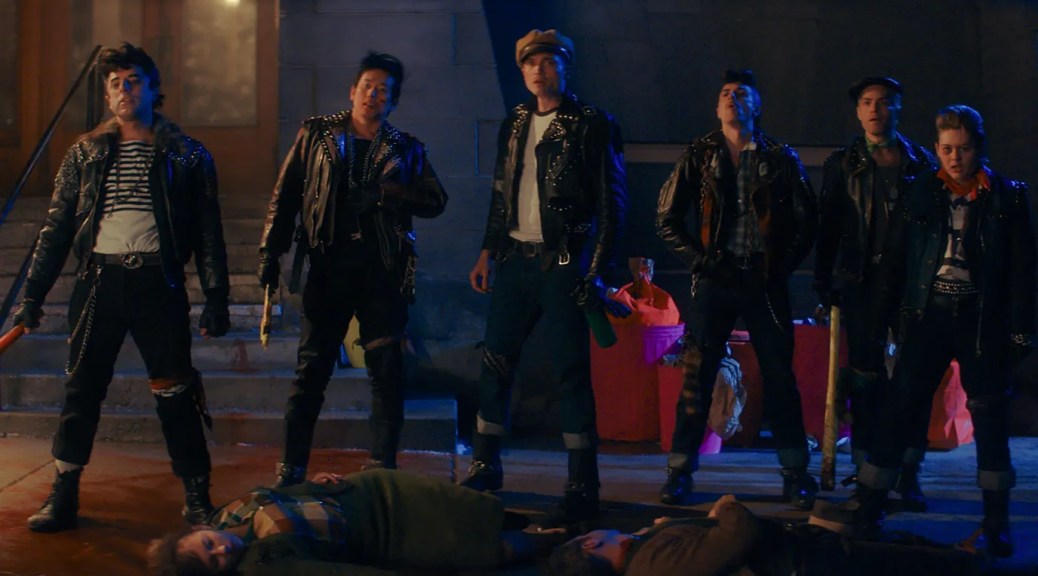
Newlyweds Suze (Andrea Riseborough) and Arthur (Harry Melling) witness a murder outside of their apartment building. The culprits, a greaser gang called the Young Gents, then turn their attention to the couple, initiating a series of events that change the two people forever.
Please Baby Please is a noir-tinged send-up of the biker gang movies of the 1950s, but that description does not come close to identifying what the film is accomplishing. Amanda Kramer’s film is an articulate examination of Continue reading Review: Please Baby Please — Fantasia Festival 2022→
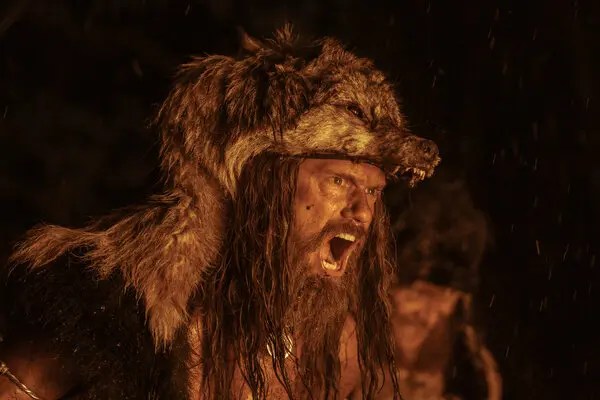
I think Robert Eggers is one of the most fascinating American filmmakers working today. The Witch is my favorite horror movie of the 2010s. It was an accomplished debut. Instead of going down the road of the “horror auteur,” though, Eggers turned to something more experimental in The Lighthouse, a film which sits unsteadily on the boundaries of multiple genres (I would call it a psychological horror fantasy dramedy sea shanty fever dream, maybe).
After Yang premiered as part of the 2022 Sundance Film Festival.
Kogonada’s After Yang is a magic trick of a film. The title refers to a “techno-sapien” sibling (Justin H. Min), an android who serves as a caretaker and mentor for Mika (Malea Emma Tjandrawidjaja), the adopted child of Jake (Colin Farrell) and Kyra (Jodie Turner-Smith). While Jake and Kyra are too busy in their working lives, Mika has Yang, and she has grown very attached to him. The film takes place, largely, “after” Yang, in that he malfunctions early on and Jake spends most of the film attempting to get him repaired.
The magic trick comes to fruition roughly 45 minutes in, when Jake is able to watch a series of “memories” Yang stored in a small hard drive chip. They are all-too-brief snapshots of Continue reading After Yang (2022) Movie Review→








 CineFiles Movie Reviews