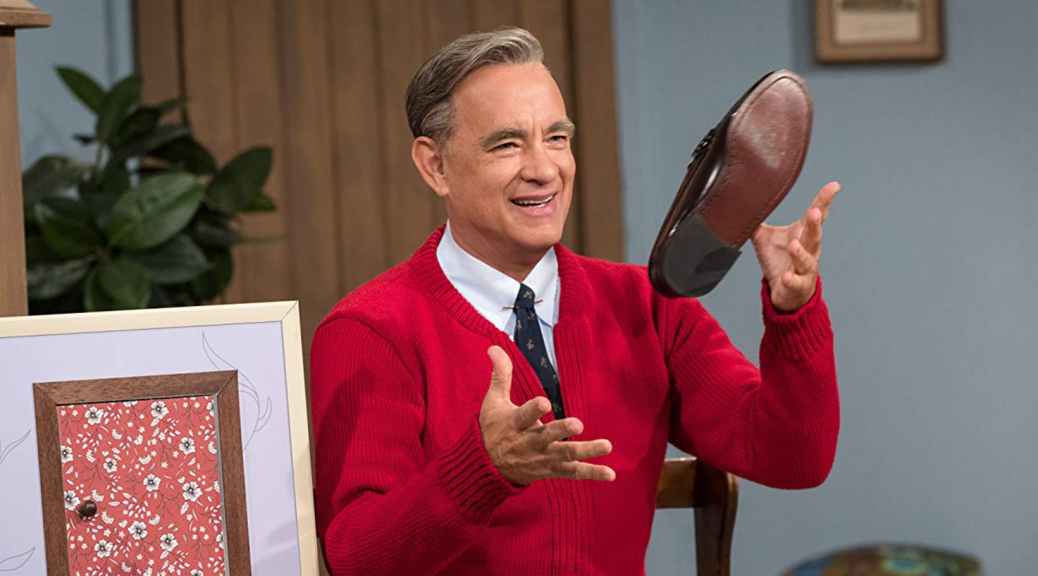
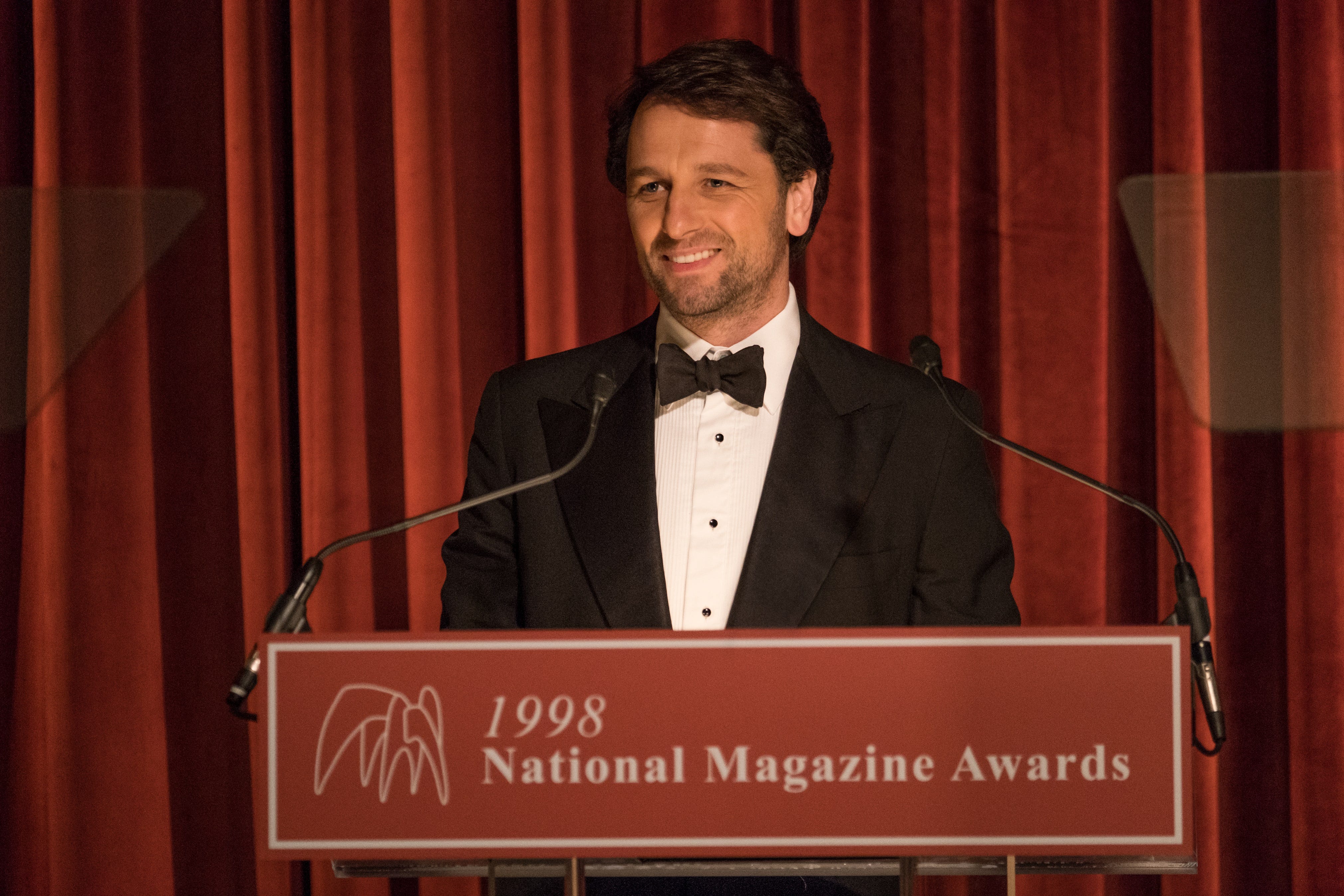
When me meet Lloyd Vogel (Matthew Rhys) at the start of A Beautiful Day in the Neighborhood, the new Fred Rogers biopic directed by Marielle Heller, he is giving a speech at the National Magazine Awards. Having won the year before for his tough-headed journalism that doesn’t make him many friends, Lloyd is presenting the award to this year’s recipient. Without any vigor or pomp, he delivers his canned address by making appeals to the power of journalism. With magazines, Lloyd and his peers can “change a broken world with [their] words.”
In the case of An Elephant Sitting Still, there is tragedy both on- and off-screen. The news of novelist and filmmaker Hu Bo’s suicide has been documented in many reviews for his first feature film, and it is hard not to equate the tragedy to the events unfolding on-screen in his four-hour-long tragi-epic, where the sadness and isolation of the world weighs heavy on every frame.
To mythologize An Elephant Sitting Still as a suicide note, however, would be a disservice, a superficial writing off of what is one of the most fully-realized cinematic visions of the last few years. The film is a swan song, sure, and the song it sings is a solemn symphony showcasing Continue reading An Elephant Sitting Still (2019) Movie Review→
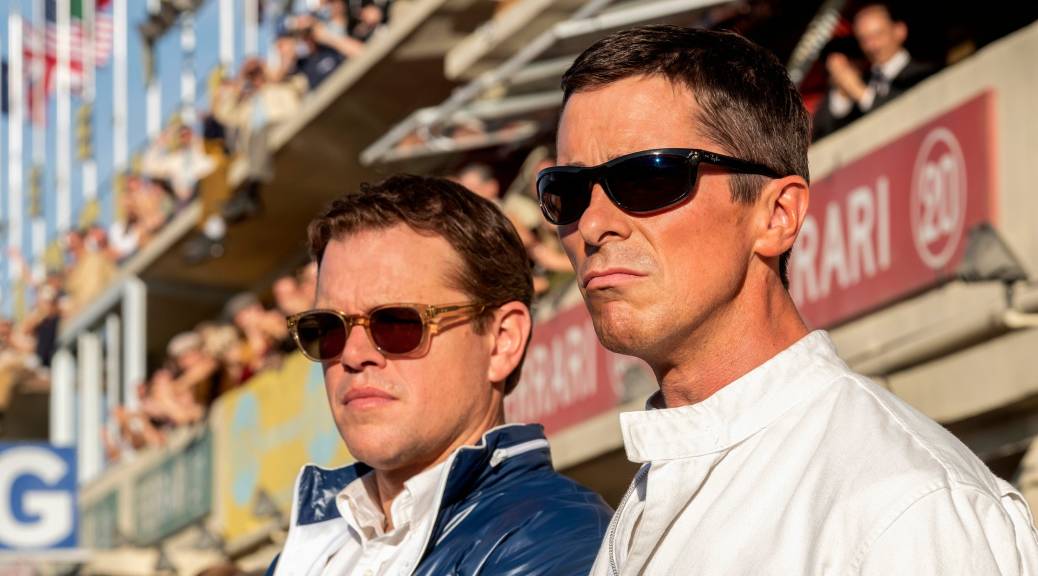
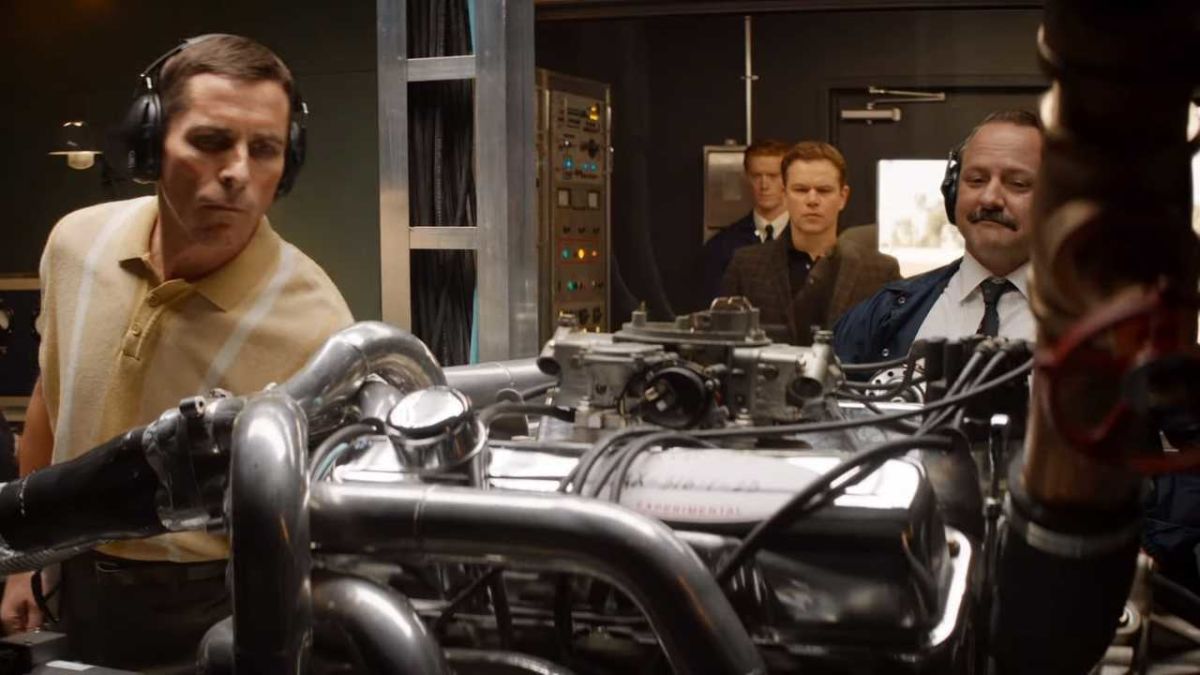
In Ford v Ferrari, director James Mangold, working from a script by Jez Butterworth; John-Henry Butterworth; and Jason Keller, aims to capture the euphoria found inside the dangerous world of racing. The opening voiceover from Matt Damon’s car-driver-turned-car-dealer Carroll Shelby expresses a longing for that moment when the car peaks at 7,000 revolutions per minutes. At this speed, the car becomes weightless, a non-existent entity, and the driver simply moves along the open air as if carried forth through pure adrenaline alone.
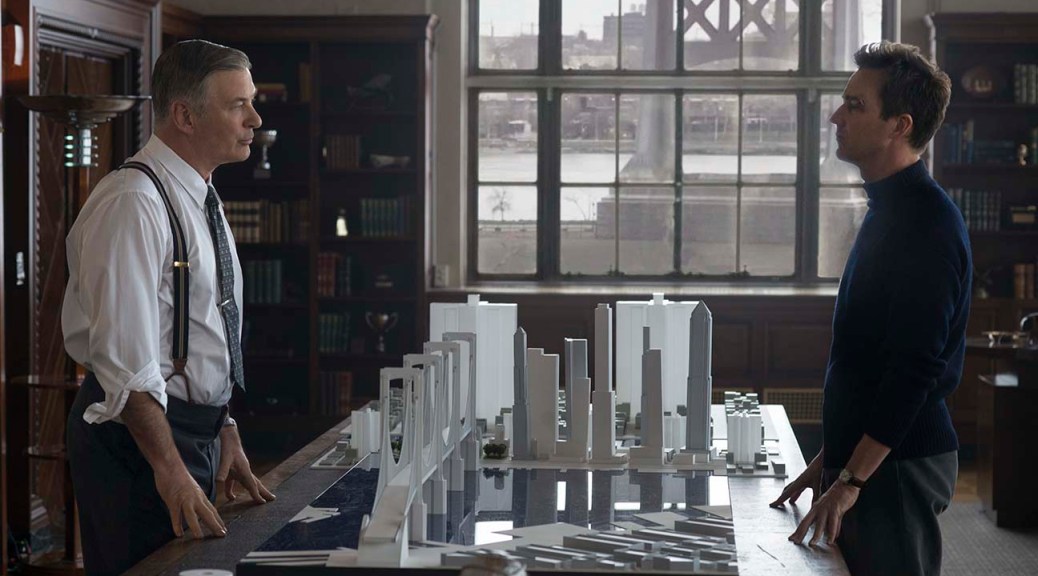
Lionel Essrog (Edward Norton) is an assistant private investigator working under a man named Frank (Bruce Willis). Frank is his mentor, his father figure. Lionel was an orphan when he was taken under Frank’s wing. When Frank is murdered, it is only natural that Lionel will do whatever is necessary to uncover the reason behind his death. What he does not expect, though, is how entrenched this mystery is within a conspiracy of political power.
There is nothing particularly novel about the setup of Gemini Man. Will Smith plays Henry Brogan, a master assassin with 72 kills under his belt. He is on the verge of retirement, and the government organization that hires him, the Defense Intelligence Agency, sends the next great thing in assassination against him.
The first act is a thorough illustration of Brogan’s unmatched skill. He evades, he eviscerates, he saves. He exposes the young agent who has been tasked with surveilling him (Mary Elizabeth Winstead). He looks down the sights of plenty of guns (with the gun cocked at a super cool angle). Long story short, Continue reading Gemini Man (2019) Movie Review→
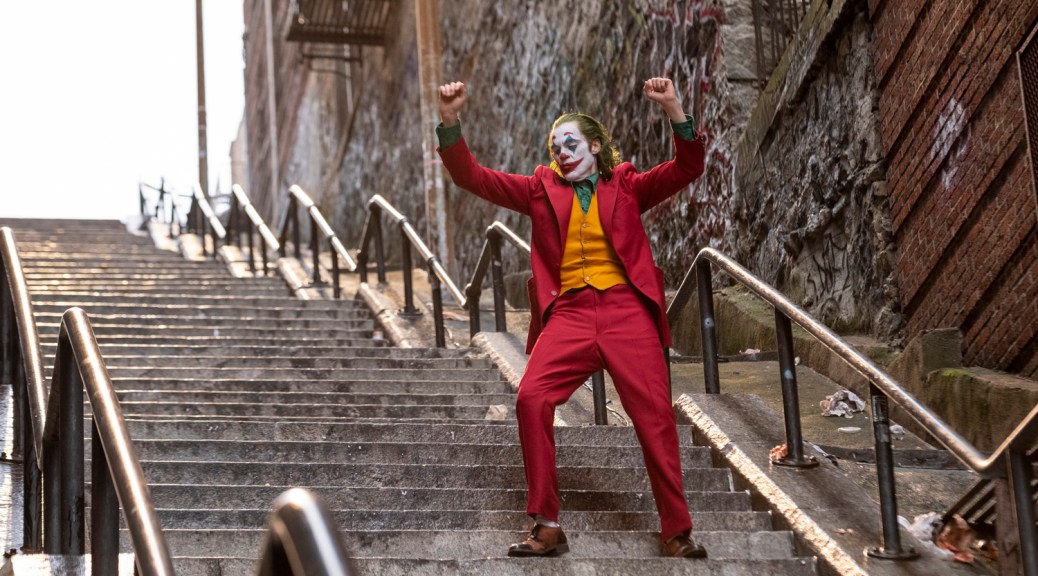
Todd Philips Joker is going to be controversial and divisive (in many ways, it already is). This is to say, it will be needlessly controversial and divisive. This is not to say that Philips is not aiming for provocation, or that those worried about the film’s content are in the wrong for it. But this is also to say that, in the end, Joker is nothing more than a hollow experience meant to be edgy without any true substance. Which is not to say that Philips and co-writer Scott Silver do not attempt at a statement on something beyond the film. It is just that the thin political subtext is almost laughably myopic.
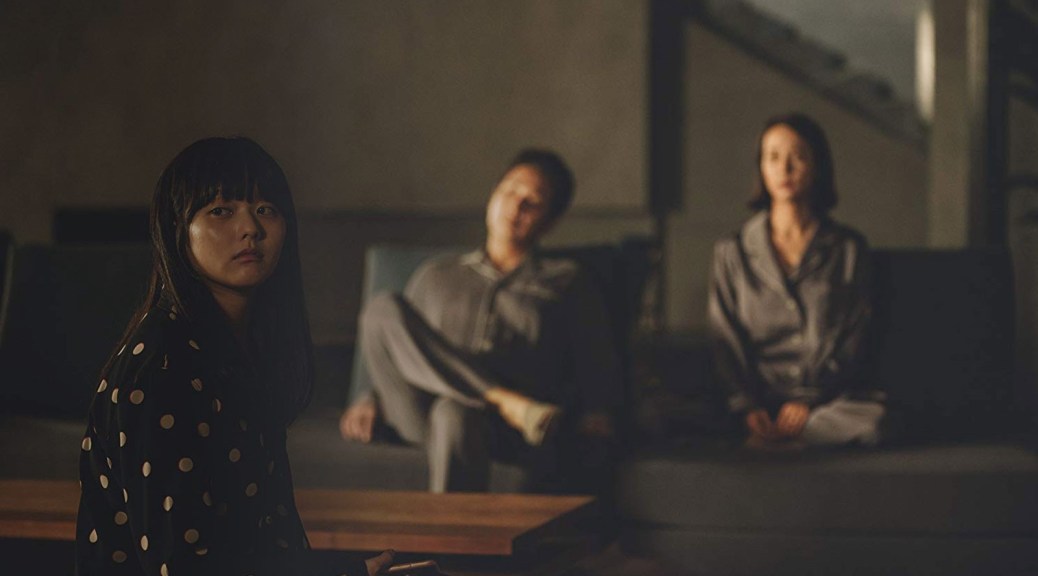
Much has been made of Bong Joon-ho’s genre hybridity, or rather his “genre unto self” mythos—the director himself has referred to it as an ambiguity of genre. At the risk of belaboring this idea, Parasite is a perfect example of Bong’s ability to elude the walls of genre. The film has flashes of gritty horror and a pervading sense of Hithcockian suspense, as well as tropes of the family drama and social problem film (used in entirely unconventional ways). A premise hinging on gaslighting adds a psychological layer on top. And a somewhat bitter sense of humor provides a dark comedy element.
It may be cliched to refer to beautiful-looking films with the phrase “every frame is a painting,” but in the case of Robert Eggers’ latest, The Lighthouse, many of the shots are picturesque. The introduction of our two characters, lighthouse keepers Ephraim Winslow (Robert Pattinson) and Thomas Wake (Willem Dafoe), looks like a stoic portrait. The reverse shot that follows, depicting the lighthouse on the black ocean, looks like a Gothic landscape piece.
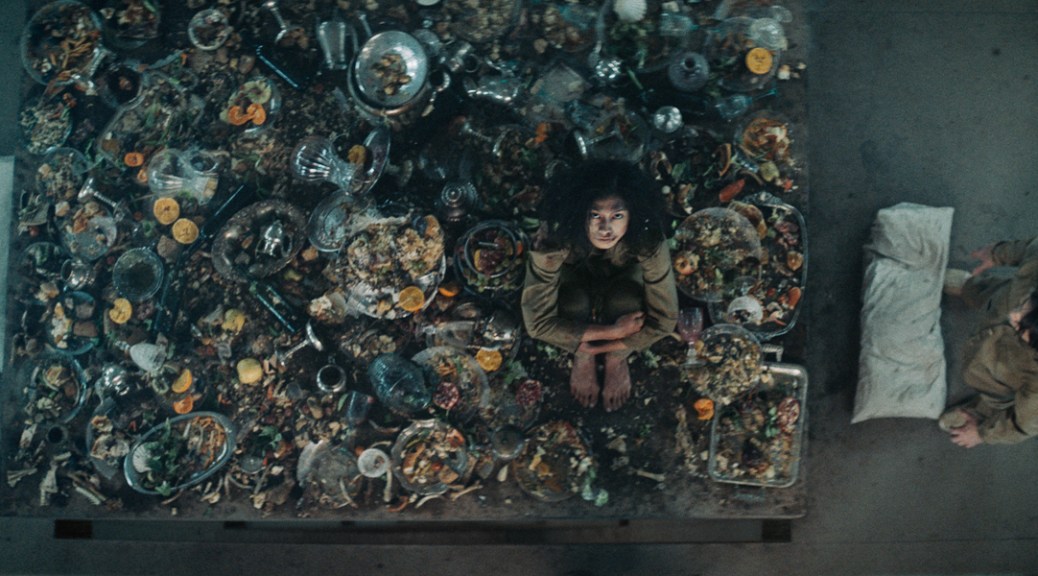
Galder Gaztelu-Urrutia’s The Platform concerns not so much the platform as it does the pit, a pit descending hundreds of stories down through a concrete prison established by “The Administration.” Two people are housed on each level of this enclosure. Some are volunteers, others are criminals, but they are all prisoners. Each day, a platform descends housing a bounty of food and drink. The people at the top can eat as much as they want; those down below get what’s left, if anything. And every month the prisoners switch floors.
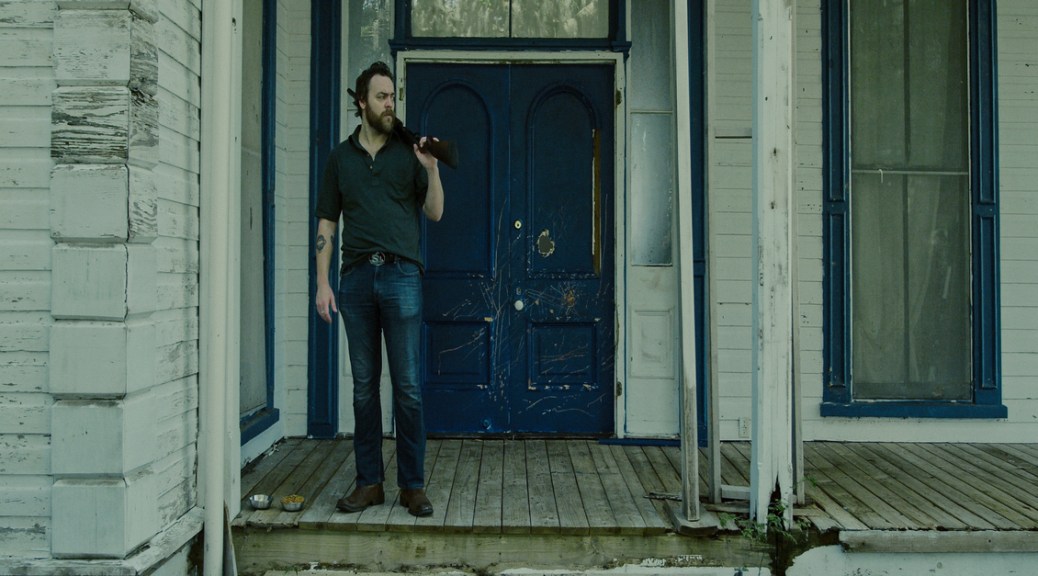
Abby (Brea Grant) and Hank (Jeremy Gardner, who also writes and co-directs) make a rather cute couple. They nestle against each other and joke about “Peanut Noir” (to be clear, it is a wine made on a peanut farm, not a wine made with peanuts as an ingredient). They razz each other as they slowly get drunk. But their relationship is on the rocks. We know this because Abby spontaneously leaves their rural abode for Miami, leaving Hank with only a note as an explanation.
Also, every subsequent night following her exit, an unseen monster barrels itself against Hank’s door, mentally terrorizing him. So there’s that.