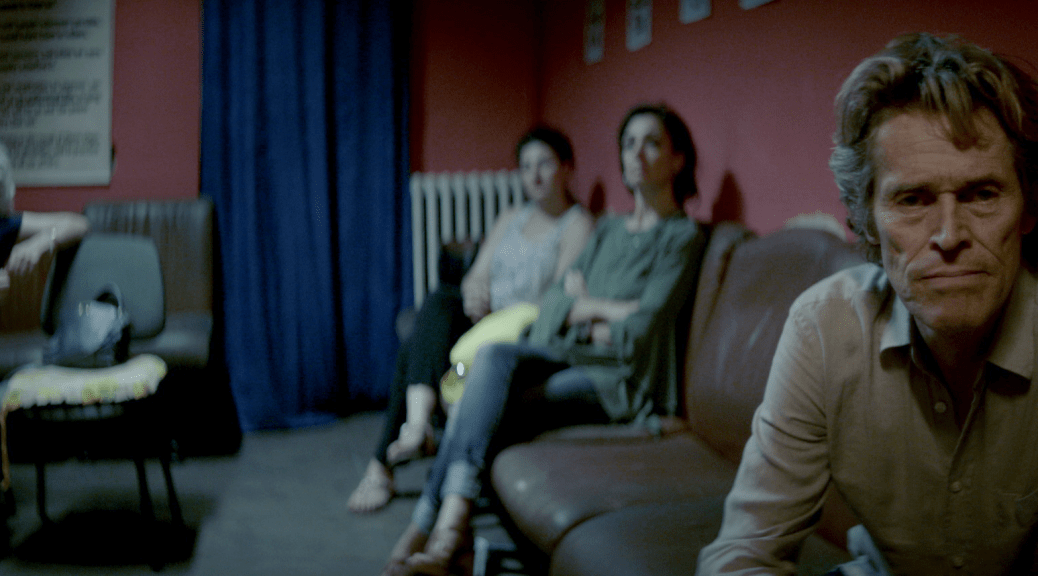
Willem Dafoe’s title character in Tommaso is conspicuously similar to the film’s writer-director Abel Ferrara. Tommaso is an American of around Ferrara’s age living in Rome with Nikki (Cristina Chiriac), a wife half his age, and their young daughter (played by Ferrara’s real-life wife and young daughter). He is a writer-director trying to crack the code of his next movie, which sounds like a heavily meditative, self-reflexive piece (not unlike Tommaso itself reads).
Dafoe, no stranger to Ferrara after multiple collaborations over the years, is primed to fill this role. In an early scene at an AA meeting, Dafoe monologues expertly about Continue reading Tommaso (2020) Movie Review→
Diamonds in the Rough (DitR, /dɪ’tər/) takes some of the most derided, divisive, controversial, financially catastrophic, and meme-worthy movies and tries to find the silver lining. Bad movies don’t always start as bad ideas, and flops aren’t always flop-worthy. DitR seeks to find the good within the bad, because the world could use some positivity. And when all else fails, making fun of bad movies is oh-so satisfying.
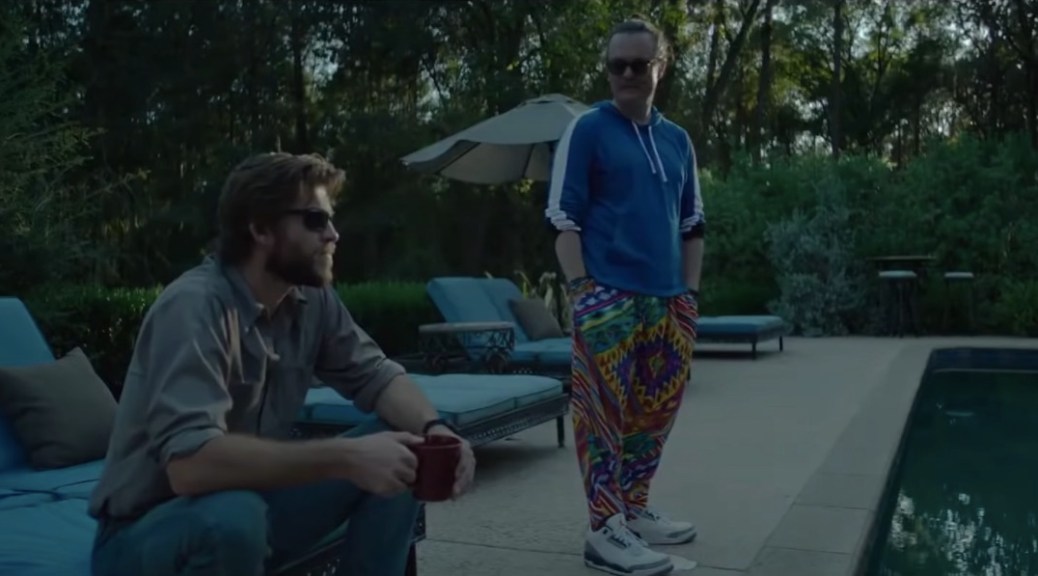
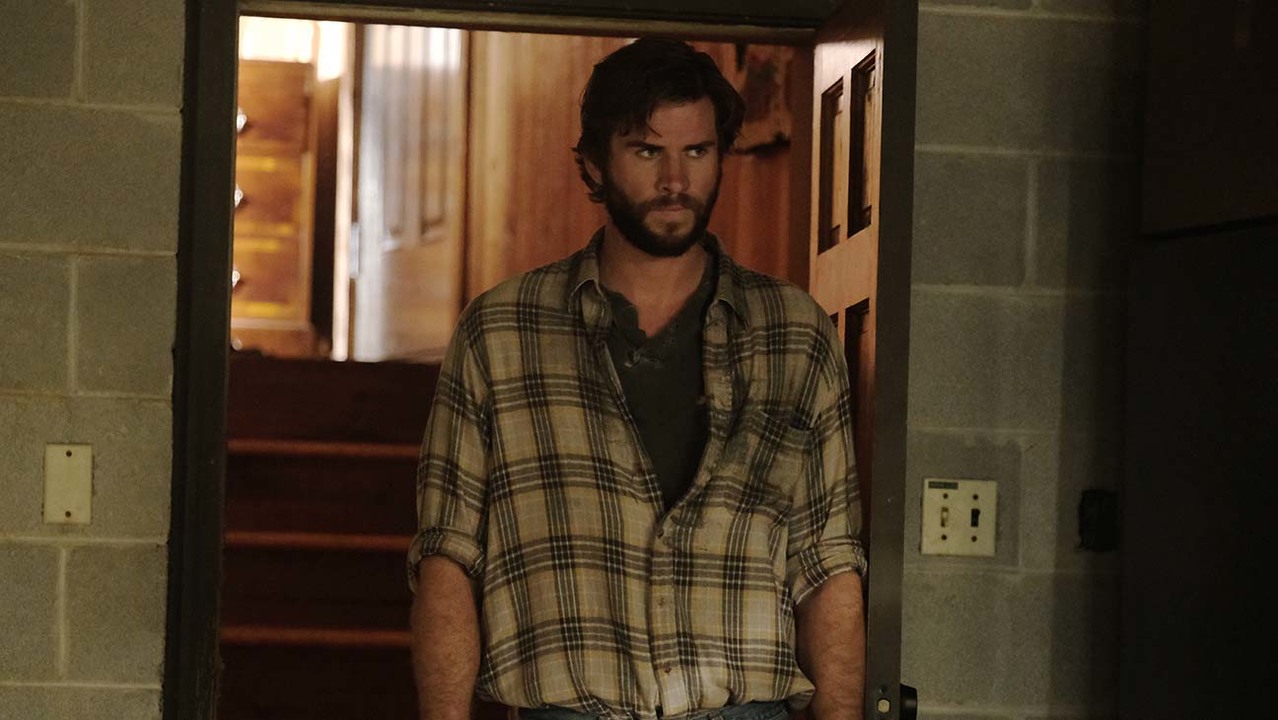
In this installment, we look at the 2019 Steven Knight drama, Serenity. [Caution: Spoilers Ahead]
Serenity
Rotten Tomatoes: 20% (188 reviews) | 29% (1,461 user ratings)
Metacritic: 37 (38 critics) | 4.5/10 (90 user ratings)
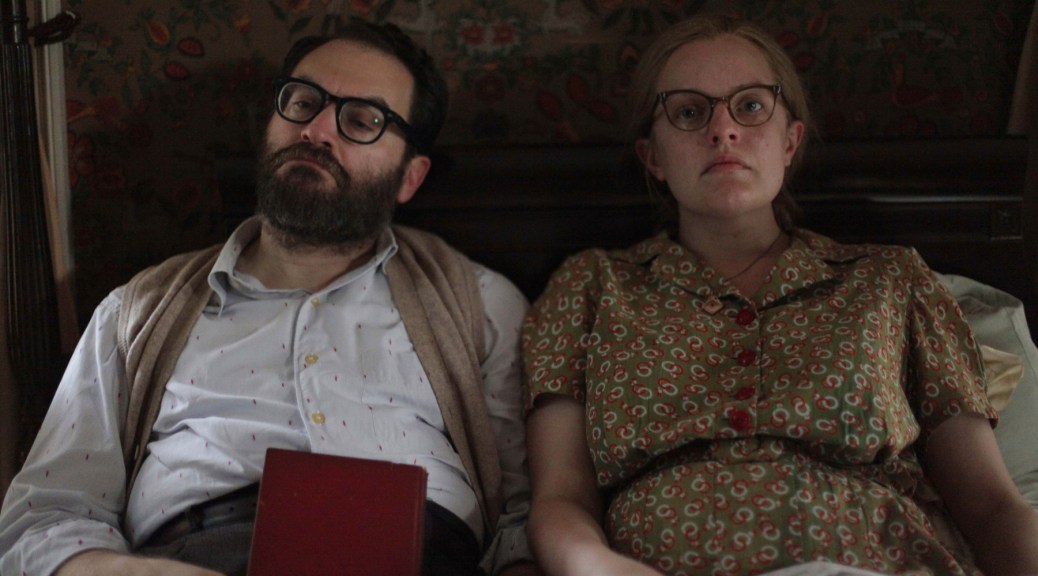
Josephine Decker’s 2017 film Madeline’s Madeline was fairly electrifying. Armed with a powerhouse performance from Helena Howard, the film resonates with such a unique energy that it is hard to shake. Decker’s latest, an adaptation of a novel about horror author Shirley Jackson, is more subdued in comparison to Madeline’s Madeline. But its energy is similarly unshakeable.
Diamonds in the Rough (DitR, /dɪ’tər/) takes some of the most derided, divisive, controversial, financially catastrophic, and meme-worthy movies and tries to find the silver lining. Bad movies don’t always start as bad ideas, and flops aren’t always flop-worthy. DitR seeks to find the good within the bad, because the world could use some positivity. And when all else fails, making fun of bad movies is oh-so satisfying.
In this installment, we look at the 2018 Steven Soderbergh-produced, Flying Lotus-produced science fiction film from Eddie Alcazar, Perfect. [Caution: Spoilers Ahead].
Diamonds in the Rough (DitR, /dɪ’tər/) takes some of the most derided, divisive, controversial, financially catastrophic, and meme-worthy movies and tries to find the silver lining. Bad movies don’t always start as bad ideas, and flops aren’t always flop-worthy. DitR seeks to find the good within the bad, because the world could use some positivity. And when all else fails, making fun of bad movies is oh-so satisfying.
In this installment, we take a look at Andrew Dominik’s Killing Them Softly (2012). [Caution: Spoilers Ahead].
Killing Them Softly
Rotten Tomatoes: 73% (226 critics) | 44% (121,417 user ratings)
Metacritic: 64 (42 critics) | 6.1/10 (290 user ratings)
IMDb: 6.2/10 (128,652 user ratings)
Letterboxd: 3.3/5 (27,687 user ratings)
CinemaScore: F
CinemaScore is a company that gauges initial reactions to newly released films. Representatives in major cities will distribute survey cards to audiences on the opening night of a movie. From this, they calculate a letter rating to represent opening day audience reception. In the history of CinemaScore (the company was founded in 1979), 21 films have received Continue reading Did Audiences Get Killing Them Softly (2012) Wrong? — Diamonds in the Rough→
Contemporary crime films are often compared to the defining antecedents to contemporary crime—critical hits from the 1990s like Goodfellas and Pulp Fiction. Generally, these are sites of contention in which it becomes easy to tear down a new film by being too directly inspired by previous, successful films. There is something to these comparisons, given a film like Pulp Fiction, which helped ring in a golden age of independent films in the 1990s, directly influenced a number of films. But this form of criticism by comparison—I’m guilty of doing it often—can come across as limiting and exclusionary in an unproductive way.
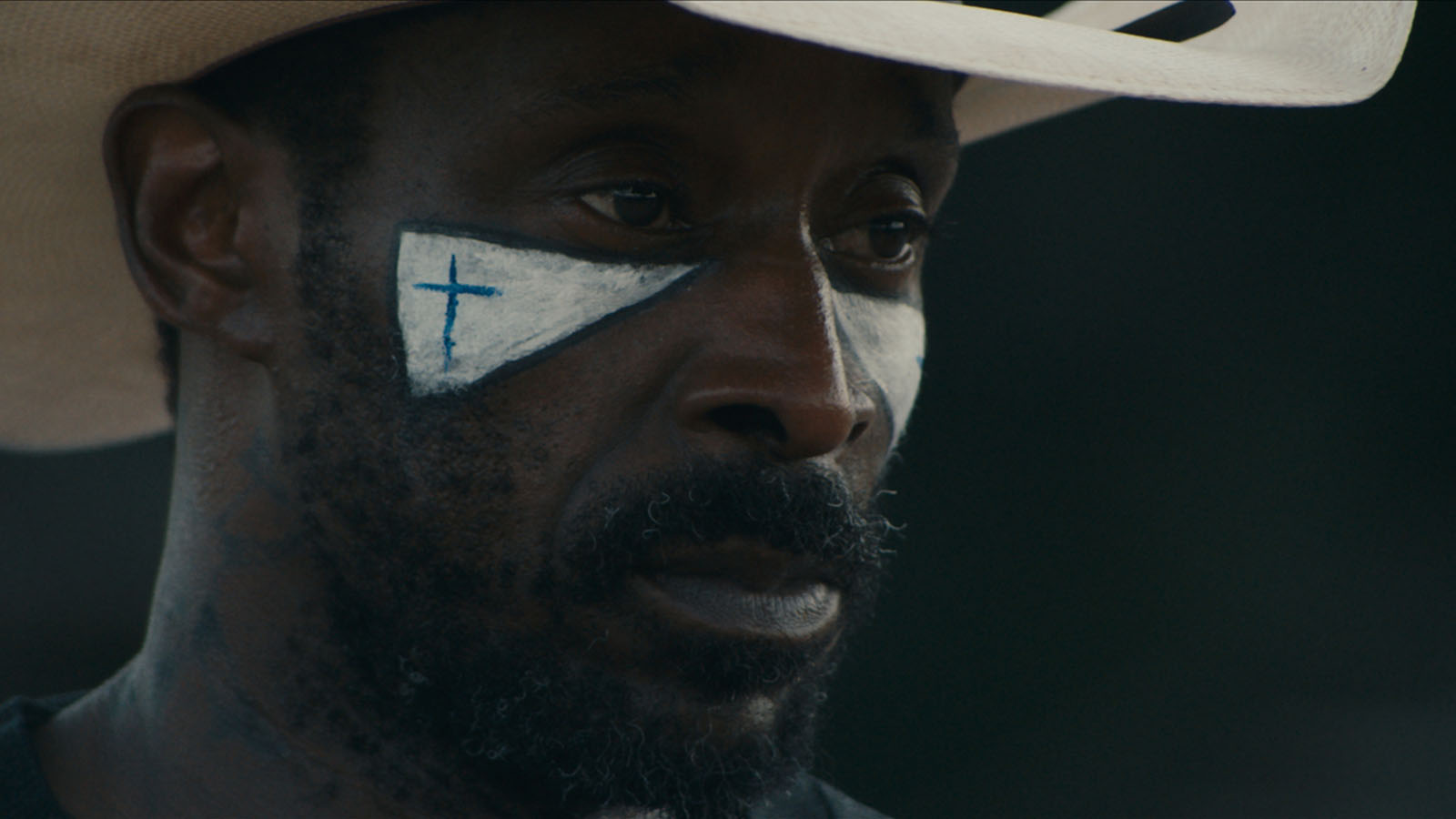
Annie Silverstein’s feature debut, Bull, follows the intersecting stories of an ex-rodeo star turned bull wrangler named Abe Turner (Rob Morgan) and a teenager named Kris (Amber Havard) whose home life necessitates her independence. The two cross paths when Kris breaks into Abe’s house, stealing his alcohol and hosting a party there in order to impress her peers. Instead of turning her into the police, Abe sets Kris to work on his house. But Kris would have preferred to go to juvenile detention.
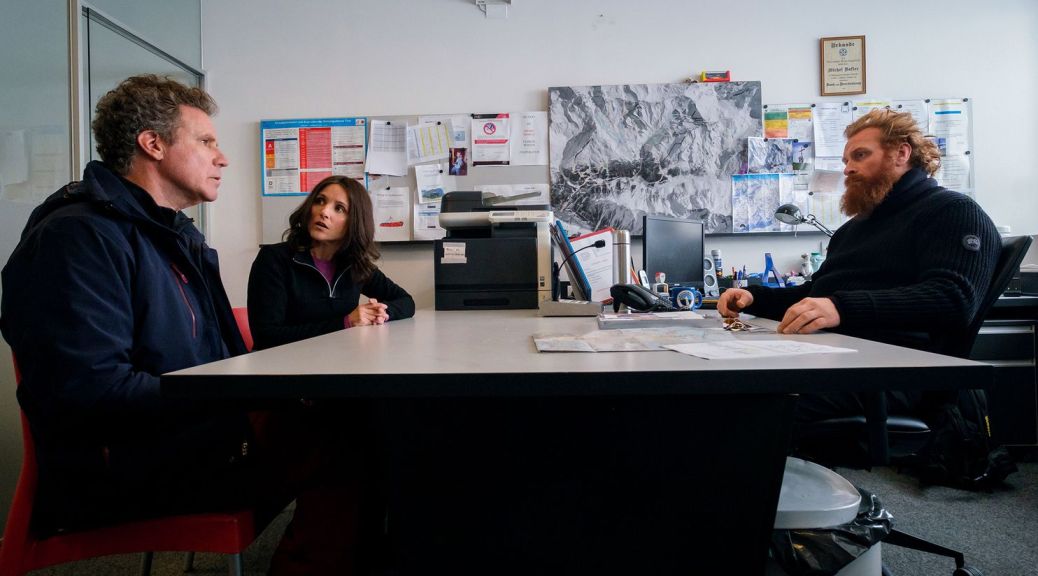
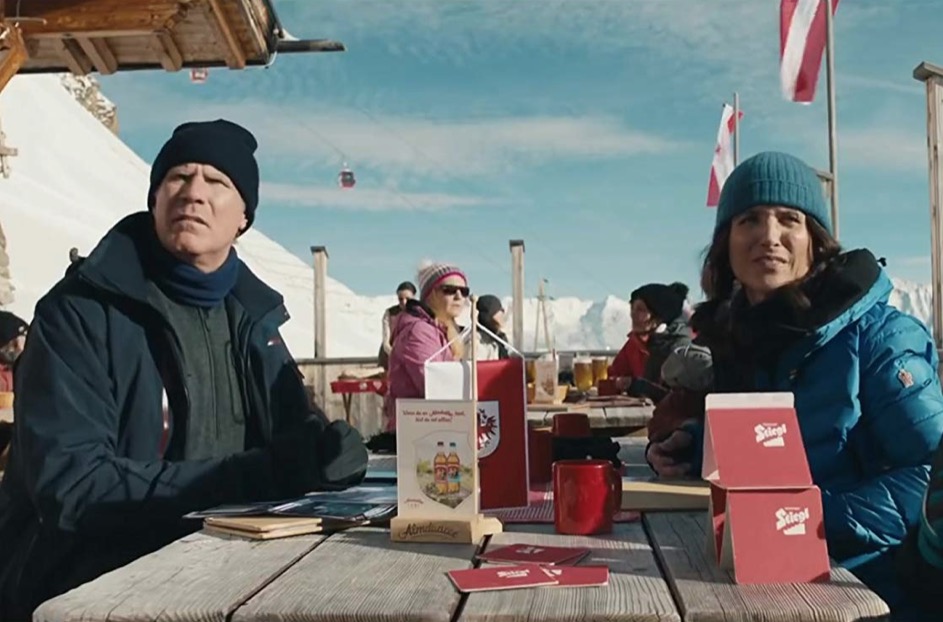
“Force majeure” refers to unforeseen acts that can prevent the fulfillment of a legal contract. In the case of Ruben Östlund’s 2014 film of that name, it refers to the unpredictable behavior of a man—a husband, a father—in the face of unexpected danger that could threaten to completely overturn his marriage and his own perception of himself. In Nat Faxon and Jim Rash’s 2020 film Downhill, the title is a pun on downhill skiing and a marriage on the decline.
The buzz surrounding 1917, the new film by Sam Mendes in tribute to his grandfather, is its technical achievement of appearing as if it is two extremely long takes. Aside from one pointedly hard cut, the film hides its edits in its pans across surfaces which cover the frame or in tunnels of darkness.
It is a technique reminiscent of Alejandro Gonzalez Inarritu’s Birdman or Alfred Hitchcock’s Rope (Hitchcock would have attempted a completely one-take film if he were not limited by the technical capabilities of the time, which only allowed about seven minutes of footage before the film had to be changed out). The long tracking shots through trenches might also bring to mind Stanley Kubrick’s Paths of Glory, whose long takes make the film feel surprisingly modern.
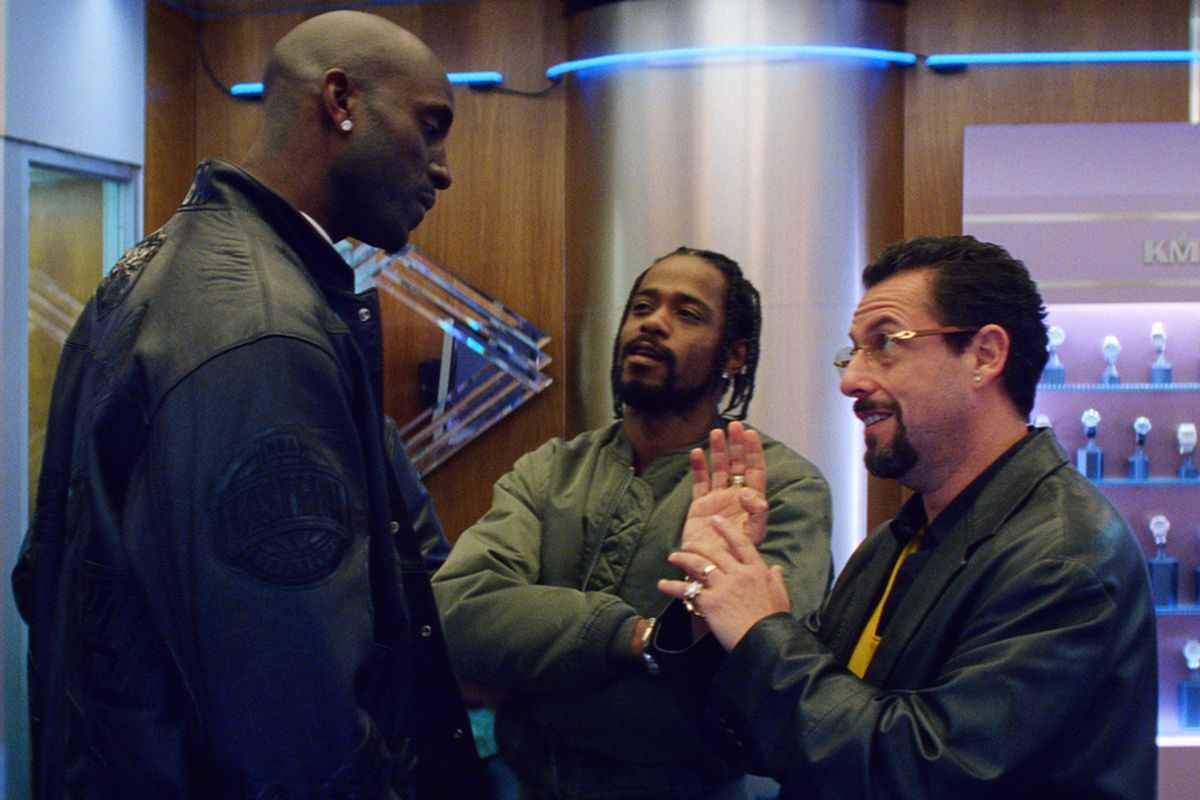
Harold (Adam Sandler) always thinks he is one step away from hitting big. A compulsive sports gambler who runs a dubious gem store, Harold is firmly placed within the seedy underbelly of New York City. And he likes it there. He thrives in the mire of it. He smiles as he schemes his way around town, placing bets with money he should be using to pay back his debts.
Harold’s Sisyphean journey of self-destruction centers on an Ethiopian stone embedded with black opals. It is a stone he claims is worth about $3,000 a carat, totaling to an approximately $1 million value. Through Harold’s partner Demany (LaKeith Stanfield), the stone winds up in the hands of Continue reading Uncut Gems (2019) Movie Review→