In pursuing this project, I did not set out to unilaterally pan the Friedberg and Seltzer oeuvre (as much as the hack, clickbait adjacent title might suggest). Sure, I find almost all of their work indefensible. But I endeavored to get closer to the heart of who these two writers are and what they wanted to get out of their filmmaking. Unfortunately, this is difficult knowledge to gain, considering they are on the record as being almost entirely off the record. The duo almost never give interviews, and, aside from a great Matt Patches piece at Grantland, I could not find a source where they were seriously interviewed.
So often in horror, people want to return to the past. Netflix’s Stranger Things reinvigorated the ’80s aesthetic. The new Halloween films hearken back to the 1970s look. Et cetera. This backward-looking adoration is all well and good. I can appreciate a good pastiche.
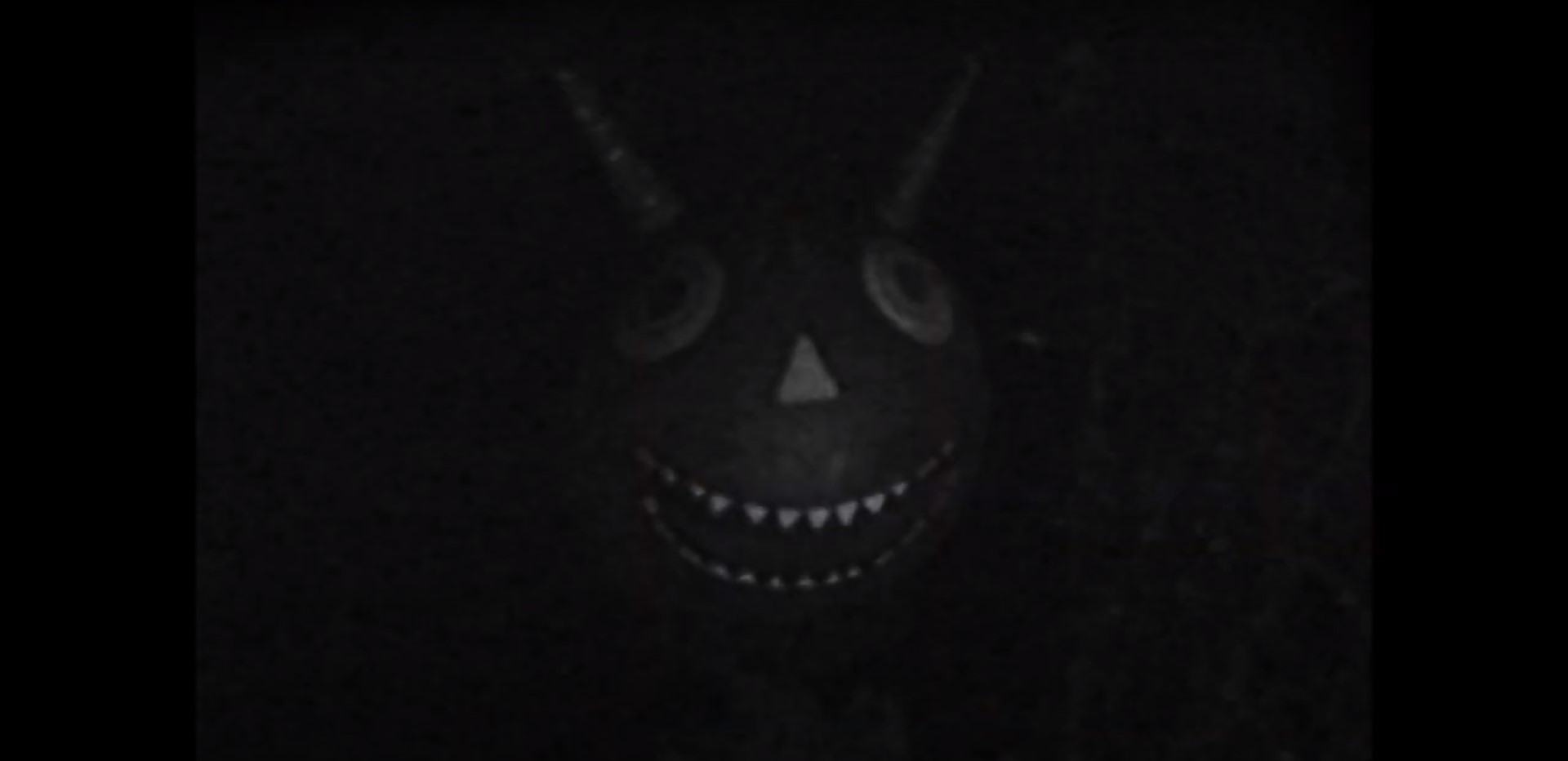
Jay Burleson’s The Third Saturday in October sets its backward-looking eyes on sleazy, regional horror of the late 1970s. It borrows its opening title narration from Texas Chainsaw and much of its plotting from Halloween. Positioned as a “lost” film, it comes off like the latest Vinegar Syndrome or AGFA release — a glossy remaster of a hazy, decidedly non-glossy 1979 low-budget slasher.
A phenomenon occurs when a cult bad movie becomes big enough. The reputation grows to the point where it becomes implausible that the director would not grow aware that their film is not enjoyed for the reasons they intended. When and if they do become aware, they have a choice to make. They can go the Claudio Fragasso (Troll 2) route and insist that they made a good movie in spite of the criticism, or they can go the Tommy Wiseau (The Room) route and claim that they set out at the beginning to make a dark comedy.
Journalist and documentarian David Farrier likes strangeness on the fringes. And if his films are any measure (Tickled is such an odd artifact that I can’t say if I like the film or not), Farrier can’t avoid but get in the thick of the worlds his subjects inhabit. Who knows — perhaps he enjoys being pulled into the weird. (Harmless as the act was, he did not have to take the abandoned antique store’s sign, let alone go on to make an entire feature about the eponymous Mr. Organ).
Mister Organ begins at this store — Bashford Antiques. In the middle of what Farrier calls the “Beverly Hills of New Zealand,” a man is wheel-clamping cars parked in the lot by the store and charging the owners exorbitant prices just to get their cars back. One car owner, according to Farrier, was charged Continue reading Mister Organ — Fantastic Fest 2022 Movie Review→
In this penultimate installment, we will examine two of the late career parodies of Jason Friedberg and Aaron Seltzer: Vampires Suck and The Starving Games. As I see it, Friedberg and Seltzer’s career can be separated into two distinct phases. There are two reasons why I think about it this way.
For one, there is an easy delineation one could make between the writers’ 2000s output and their 2010s output. As I outlined in previous articles, the 2000s saw a healthy resurgence of the spoof movie, but by the end of the decade it was starting to become clear that the poor quality of these films were catching up with them. Through the 2010s, parody films grew increasingly less popular at the box office.
Austin’s Fantastic Fest returns for a 17th year this September, and CineFiles is happy to be covering it again (albeit virtually, but you could experience the fun in person). Fantastic Fest has a number of high profile releases on the docket this year — Martin McDonagh’s The Banshees of Inisherin, Ruben Östlund’s Triangle of Sadness,The Menu, Smile. I want to highlight for you, instead, a few other titles worth keeping an eye on.
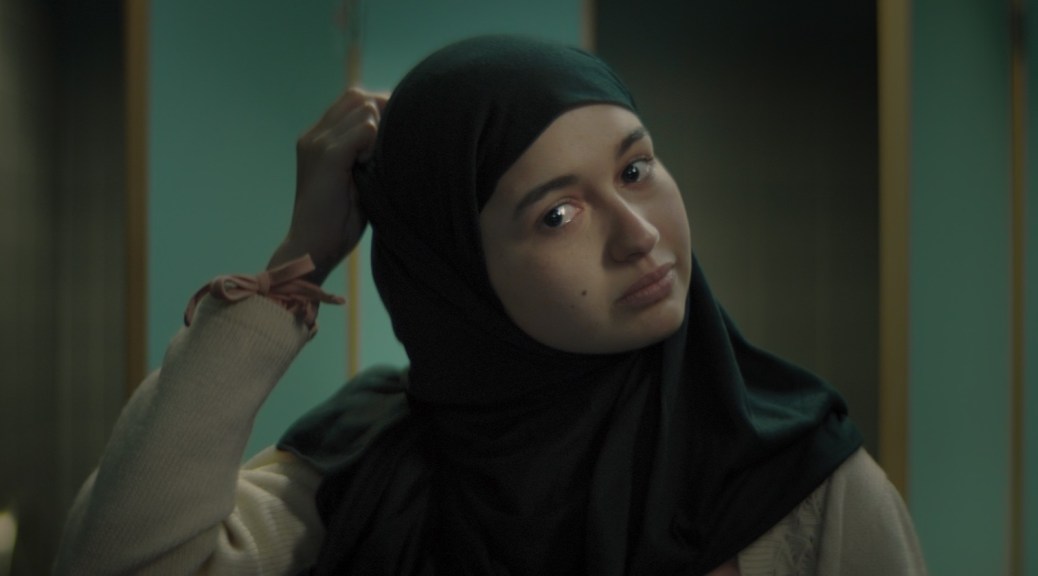
Adamma Ebo’s Honk For Jesus. Save Your Soul. places its viewer at the intersection of capital and religion. For pastor Lee-Curtis Childs (Sterling K. Brown) and Trinitie Childs (Regina Hall), this intersection has broken traffic lights. From the beginning, there is a fissure between the two forces, and a clear favoritism in this mega-church community toward capital. And at this broken traffic stop, problems are bound to occur.
Rather, a collision has already occurred at the point in which we meet the church owners. A scandal has rocked the church, which has caused Lee-Curtis to disappear from the public eye. But he sees Easter Sunday as the perfect time for his big comeback. With the church reopening set for that Sunday, Lee-Curtis commissions a documentary film crew to chart his return to prominence; his resurrection, if you will.
Following the profitable Epic Movie in 2007, Jason Friedberg and Aaron Seltzer saw two of their films released in 2008. If one was skeptical about the over-saturation of spoof films at the box office in the second half of the 2000s, that sentence should alleviate any further suspicion.
These parodies were being churned out like a factory assembly line product. Mere months after Meet the Spartans opened, it was announced that the pair were in pre-production on what would become Disaster Movie (the project started life as an ill-advised Superbad send-up). Disaster Movie filmed in late spring and was released before the year was out.
Here we go. This is the point after which discussing the works of Jason Friedberg and Aaron Seltzer becomes an arduous chore. Epic Movie signals the beginning of the end for the blockbuster parody film. This is not to say that the Friedberg-Seltzer movies stop making a profit after this movie. But Epic Movie embodies all of the things that detractors of the parody genre point to when they argue for its extinction. And while Friedberg and Seltzer (mostly) weather the severe backlash to their films through the 2000s, the parody genre as a whole starts to fade away.
Since 2007, major spoof releases have grossed the following worldwide, in millions (Friedberg and Seltzer titles in bold):
In the first installment of this ill-conceived series, which shamelessly adds on to the immense online discourse that has made writer-directors Aaron Seltzer and Jason Friedberg Hollywood’s favorite punching bags, we took a look at the 2000 film Scary Movie. The film was a massive financial success, and the amount that Seltzer and Friedberg contributed to that success is debatable. Some have questioned whether they had any creative hand in that film, at all.
No matter the case, the duo certainly used the writing credits they received on the film to launch themselves into the comedy film game. Date Movie, the pair’s first directorial effort, proudly displayed a slightly disparaging poster tagline: “From Two of the Six Writers of Scary Movie.” The home video release would go one step further in comically diminishing the writers’ prior credit by placing “2 of the 6” as a parenthetical caret above the tagline.