Michael Showalter’s previous film, The Big Sick, was the surprise indie darling of 2017. That film, co-written and starring Kumail Nanjiani, turned the romantic comedy formula on its head. The Lovebirds, also co-starring Nanjiani, attempts a similar formulaic subversion, but screenwriters Aaron Abrams and Brendan Gall prove less savvy in this pursuit.
Jibran (Nanjiani) and Leilani (Issa Rae) meet at a party and really hit it off. We watch as their relationship flourishes, and seemingly nothing could go wrong. These two were meant to be together forever. Cut to a few years later, and Continue reading The Lovebirds (2020) Movie Review→
Diamonds in the Rough (DitR, /dɪ’tər/) takes some of the most derided, divisive, controversial, financially catastrophic, and meme-worthy movies and tries to find the silver lining. Bad movies don’t always start as bad ideas, and flops aren’t always flop-worthy. DitR seeks to find the good within the bad, because the world could use some positivity. And when all else fails, making fun of bad movies is oh-so satisfying.
In this installment, we look at the film debut of Steven Ellison (aka Flying Lotus), Kuso (2017). [Caution: Spoilers Ahead]
Diamonds in the Rough (DitR, /dɪ’tər/) takes some of the most derided, divisive, controversial, financially catastrophic, and meme-worthy movies and tries to find the silver lining. Bad movies don’t always start as bad ideas, and flops aren’t always flop-worthy. DitR seeks to find the good within the bad, because the world could use some positivity. And when all else fails, making fun of bad movies is oh-so satisfying.
In this installment, we look at The Box, the third feature film from Richard Kelly (Donnie Darko). [Caution: Spoilers Ahead]
The Box
Rotten Tomatoes: 44% (155 critics) | 24% (359,082 user ratings)
Metacritic: 47 (24 critics) | 2.8/10 (228 user ratings)
Contemporary crime films are often compared to the defining antecedents to contemporary crime—critical hits from the 1990s like Goodfellas and Pulp Fiction. Generally, these are sites of contention in which it becomes easy to tear down a new film by being too directly inspired by previous, successful films. There is something to these comparisons, given a film like Pulp Fiction, which helped ring in a golden age of independent films in the 1990s, directly influenced a number of films. But this form of criticism by comparison—I’m guilty of doing it often—can come across as limiting and exclusionary in an unproductive way.
Diamonds in the Rough (DitR, /dɪ’tər/) takes some of the most derided, divisive, controversial, financially catastrophic, and meme-worthy movies and tries to find the silver lining. Bad movies don’t always start as bad ideas, and flops aren’t always flop-worthy. DitR seeks to find the good within the bad, because the world could use some positivity. And when all else fails, making fun of bad movies is oh-so satisfying.
In this first installment of Diamonds in the Rough, we look at The Procedure and The Procedure Part 2, two psychological horror/comedy short films from director Calvin Lee Reeder. And boy oh boy is this a rite of passage episode! If you can get on board with these two shorts, then you can get on board with pretty much anything this series is going to contend with (although, this is no guarantee).
The Procedure
IMDb: 5.6/10 (209 ratings)
Letterboxd: 3.1/5 (373 ratings)
The Procedure Part 2
IMDb: 5.6/10 (16 ratings)
Letterboxd: 3.2/5 (36 ratings)
The narratives of The Procedure and The Procedure Part 2 are spare enough that I can outline them here in full (Content Warning: non-violent torture. Also, spoiler alert).
Theaters are closed. Hollywood production has ground to a standstill. Many (across many industries) are unfortunately out of work. And it is a good idea to just stay inside. With this turbulent current state of affairs, Hollywood studios are trying to recoup losses on their theatrical released films by placing them on digital VOD early.
In one respect, this is a generous offering, as it represents an essentially unprecedented choice by studios to ignore traditional windowing practices in order to give consumers access to new products. On the other hand, these releases come with lofty price tags. Given that streaming services offer plenty of feature film fare at much lower prices, it is hard to recommend anyone pay full price for the current slate of “early access” films. Some of these services are even free with ad support—Tubi, Vudu, and Crackle are perhaps the most readily available—and, with some digging, one can find a few gems.
However, for those looking for something new to watch, we have ranked the current (as of March 27) early access offerings.
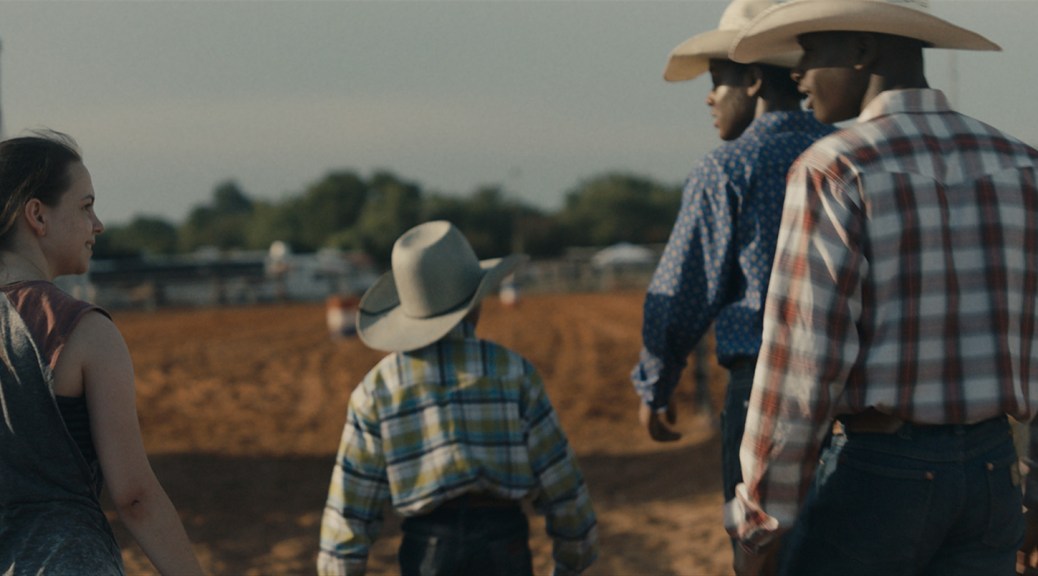
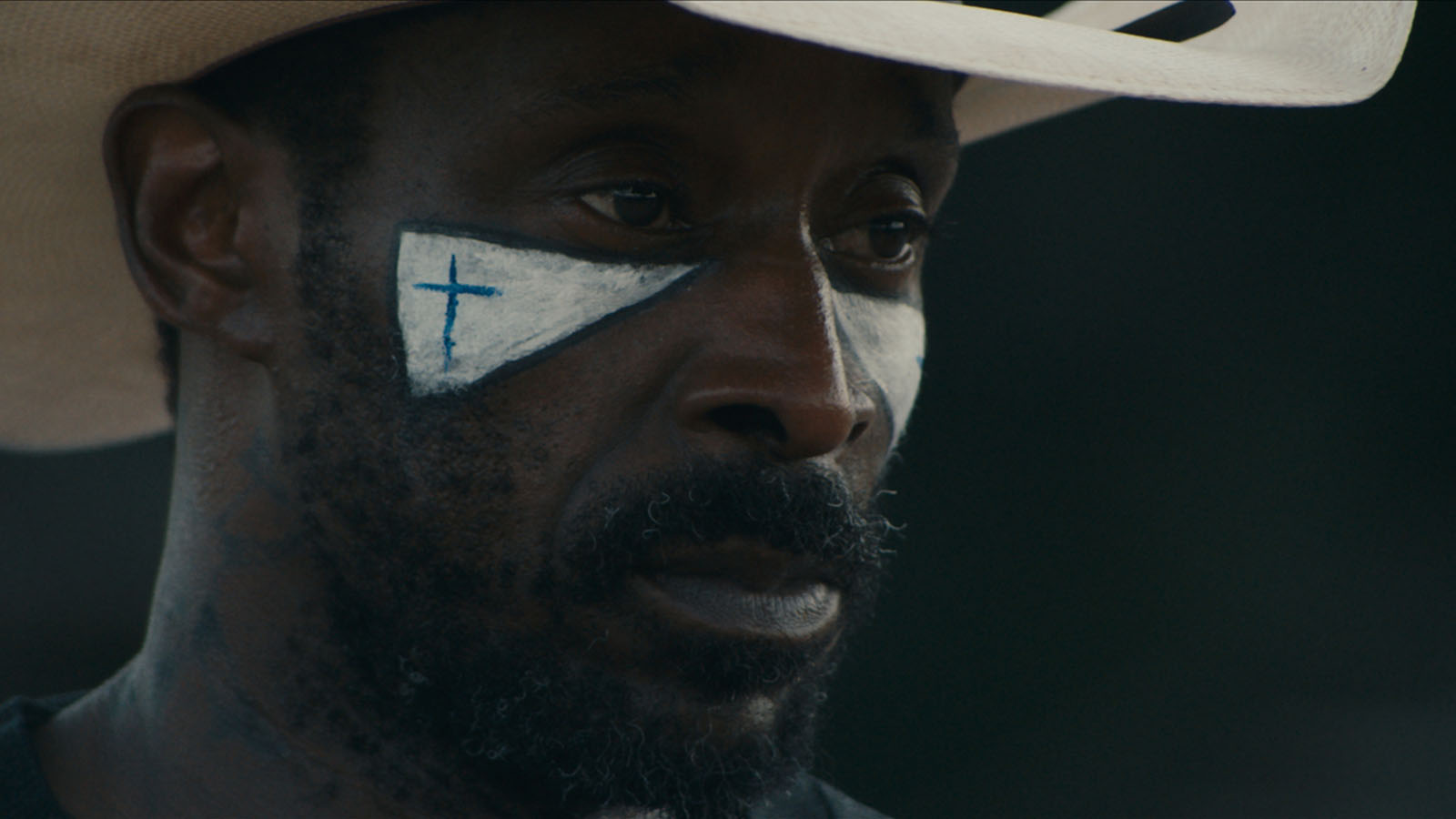
Annie Silverstein’s feature debut, Bull, follows the intersecting stories of an ex-rodeo star turned bull wrangler named Abe Turner (Rob Morgan) and a teenager named Kris (Amber Havard) whose home life necessitates her independence. The two cross paths when Kris breaks into Abe’s house, stealing his alcohol and hosting a party there in order to impress her peers. Instead of turning her into the police, Abe sets Kris to work on his house. But Kris would have preferred to go to juvenile detention.
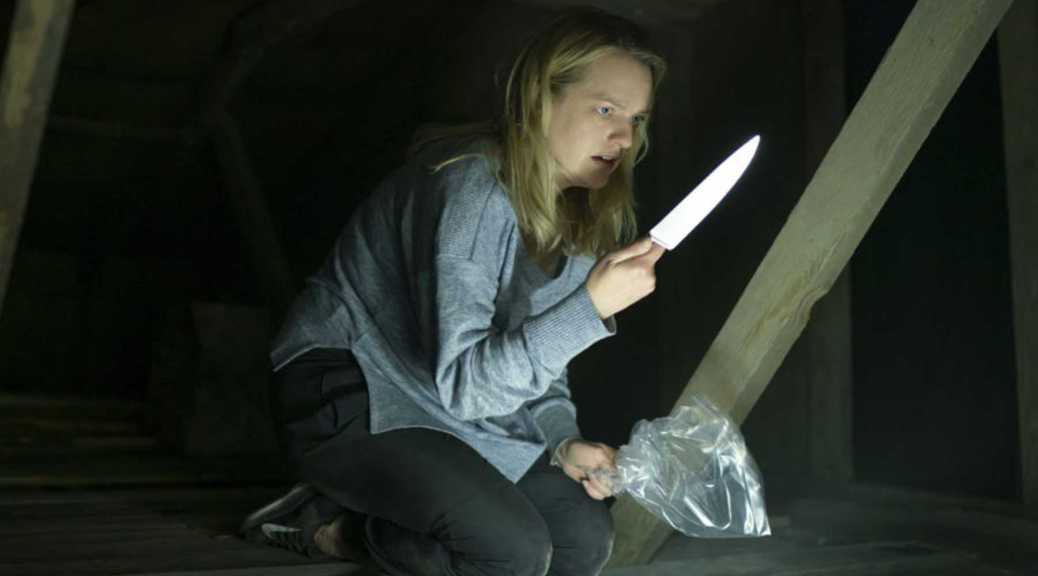
Universal’s 2017 re-interpretation of The Mummy, directed by Alex Kurtzman and starring Tom Cruise, went for a frivolous, action-oriented romp. It appeared to be searching for something akin to yet distinct from the Stephen Sommers-directed The Mummy (1999) and The MummyReturns—distinguished enough in its choreography to suit Cruise’s devil-may-care persona yet narratively grounded enough to kick off a multi-IP franchise worthy of crossovers and event films.
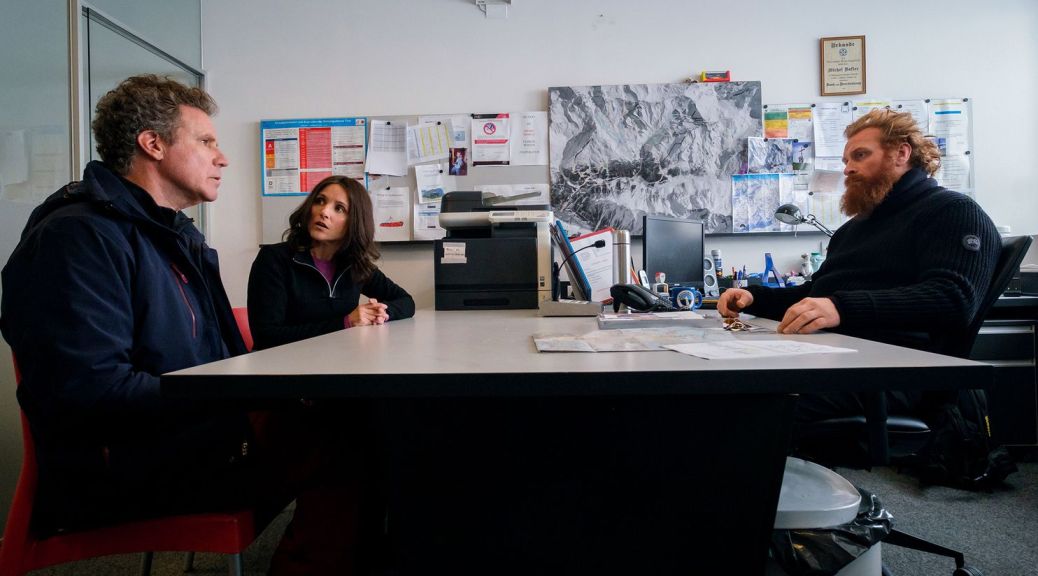
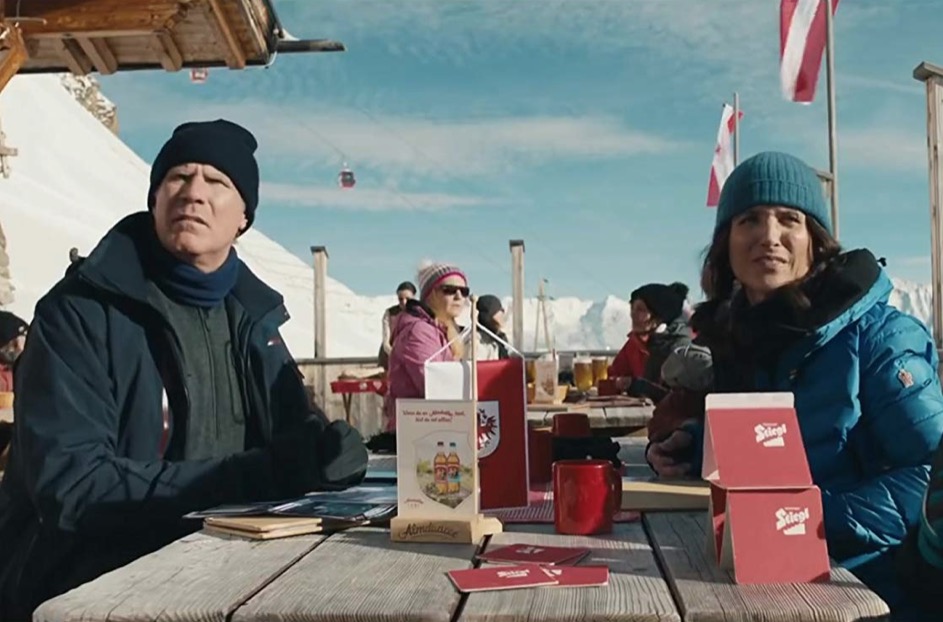
“Force majeure” refers to unforeseen acts that can prevent the fulfillment of a legal contract. In the case of Ruben Östlund’s 2014 film of that name, it refers to the unpredictable behavior of a man—a husband, a father—in the face of unexpected danger that could threaten to completely overturn his marriage and his own perception of himself. In Nat Faxon and Jim Rash’s 2020 film Downhill, the title is a pun on downhill skiing and a marriage on the decline.
While on assignment in Louisiana, journalist Michael Block (LaKeith Stanfield) interviews a man named Isaac (Rob Morgan). Michael is struck by a photo in Isaac’s home of a woman (Chante Adams) and decides to follow up on the woman’s story when he returns to New York. She is a recently deceased photographer, and she left behind letters to Isaac and her daughter Mae (Issa Rae). It is through this photograph that Mae and Michael collide, and they do so with an immediate sense of romantic connection.









 CineFiles Movie Reviews