Note: I don’t spoil any major plot points in this review, but I hint at aspects of Toy Story 4 that could be construed as spoilers. So let’s just call this a spoiler review.
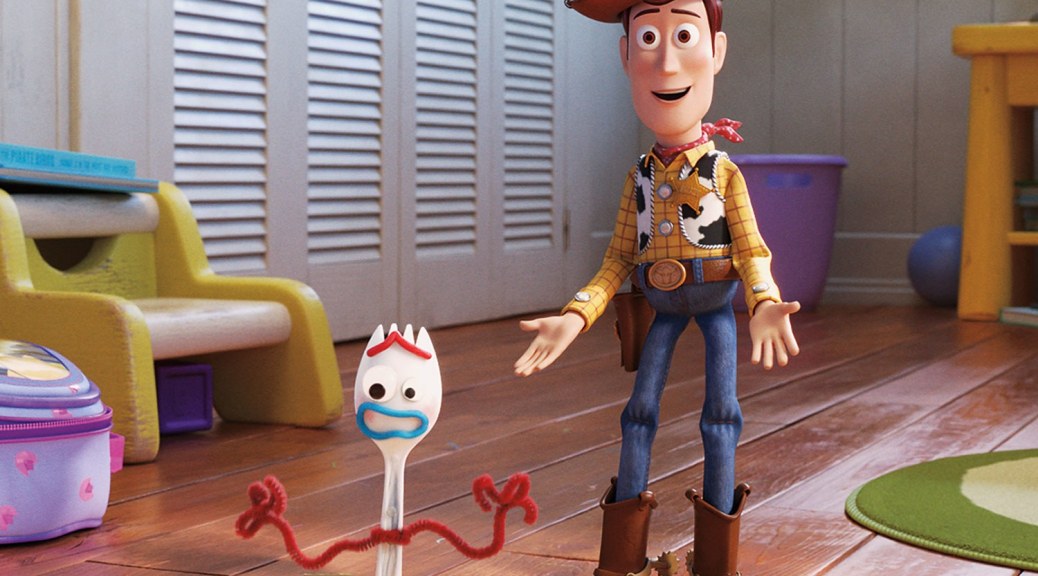
Walking into Pixar’s Toy Story 4, I thought the pertinent question would be: was a fourth installment necessary? Given how most Pixar sequels have not lived up to their predecessors (Toy Story 2 being the most notable exception) and how Toy Story 3 presents an adequate ending to the then trilogy, it made little sense for a fourth film to exist beyond the want for money.
The LEGO Movie 2: The Second Part is just what implies; it is a second helping, a rehash of the surprise hit that tries to recapture the magic but ultimately falls short.
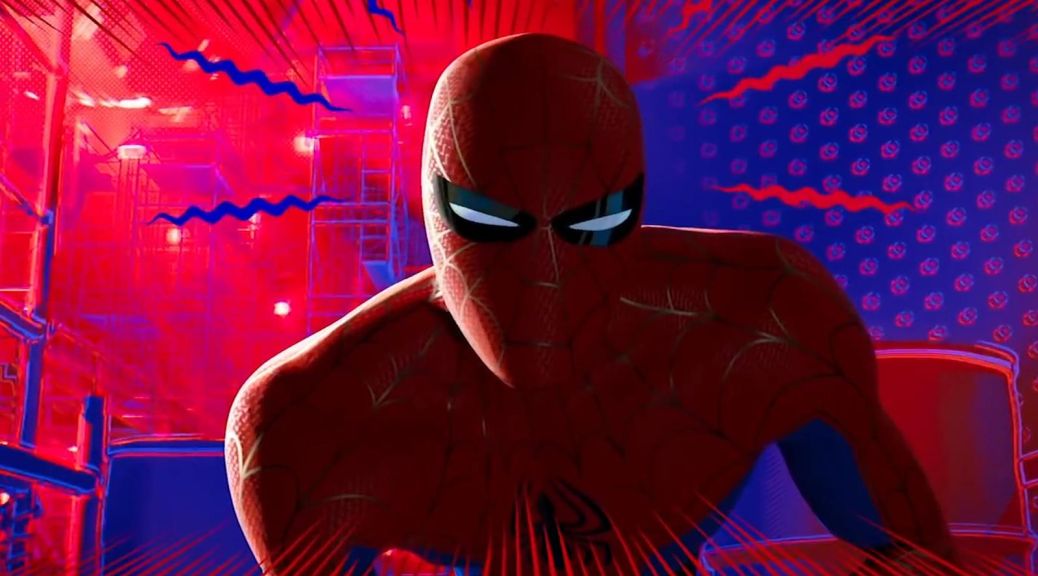
Rather inexplicably, Spider-Man: Into the Spider-Verse is the best Spider-Man film made to date. It is hard to imagine that an animated film about multiverse theory and multiple incarnations of a single comic book character coming together to fight a rogue’s gallery that is only recognizable to fans would not only be an inspired origin story for Spider-Man, but also be an entirely accessible experience.
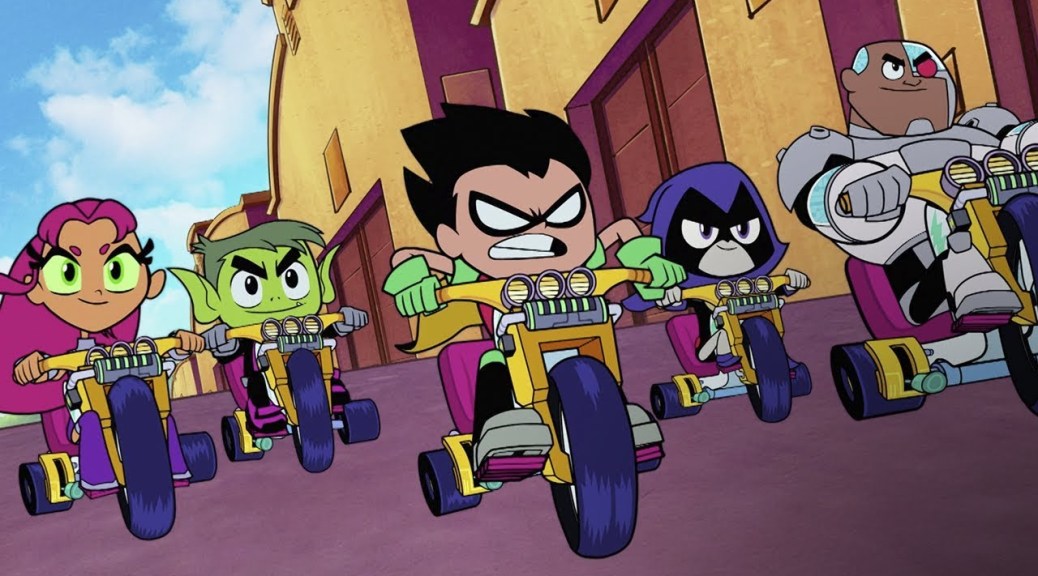
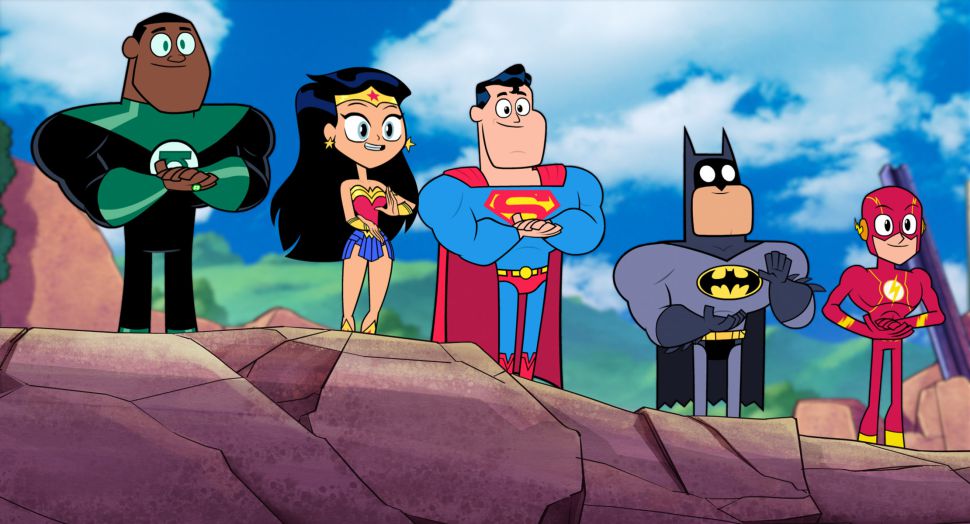
Teen Titans Go! To the Movies begins with a reel of comic book panels flipping rapidly. It appears like a title card from a Marvel film. However, the camera pulls out to reveal a person flipping through a comic. After dispatching (sort of) a giant bubble supervillain, the Teen Titans—Robin (Scott Menville), Starfire (Hynden Walch), Cyborg (Khary Payton), Raven (Tara Strong), and Beast Boy (Greg Cipes)—sneak into a movie premiere, where the film “Batman Again” is screening. The auditorium is jam-packed with DC comics superheros, some attending in order to watch themselves on screen.
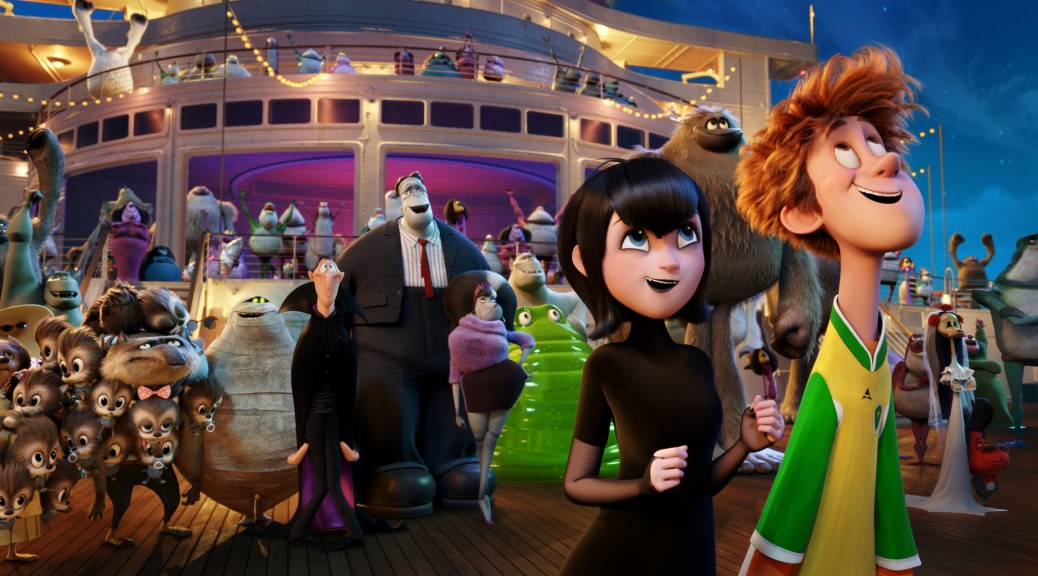
Hotel Transylvania is a strange equation. Take Sony Pictures and add much-acclaimed animator Genndy Tartakovsky, a script co-penned by Robert Smigel, and a cast of voice actors featuring Adam Sandler and his frequent collab buddies. Sounds like a too-many-cooks disaster.
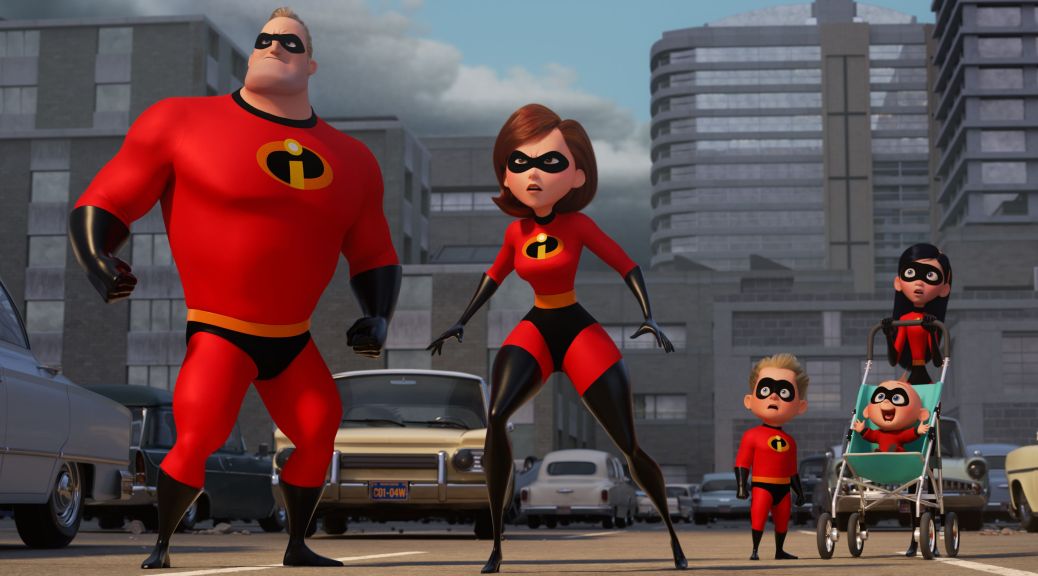
Brad Bird’s first contribution to Pixar animation, 2004’s The Incredibles, was a rather prescient film. Using 1960s Silver Age superhero comics as inspiration, The Incredibles foresaw a future of superhero films and cheekily toyed with the tropes before they were firmly established (the modern era of the genre, led by Christopher Nolan’s Dark Knight trilogy and the formation of the Marvel Cinematic Universe, was a few years away).
It commented on a lack of female representation in the world of caped crusaders. Its plot involved complications around fear and distrust over supers, long before Captain America: Civil War and Batman v. Superman: Dawn of Justice. And how many modern silver screen superheros still Continue reading Incredibles 2 (2018) Movie Review→
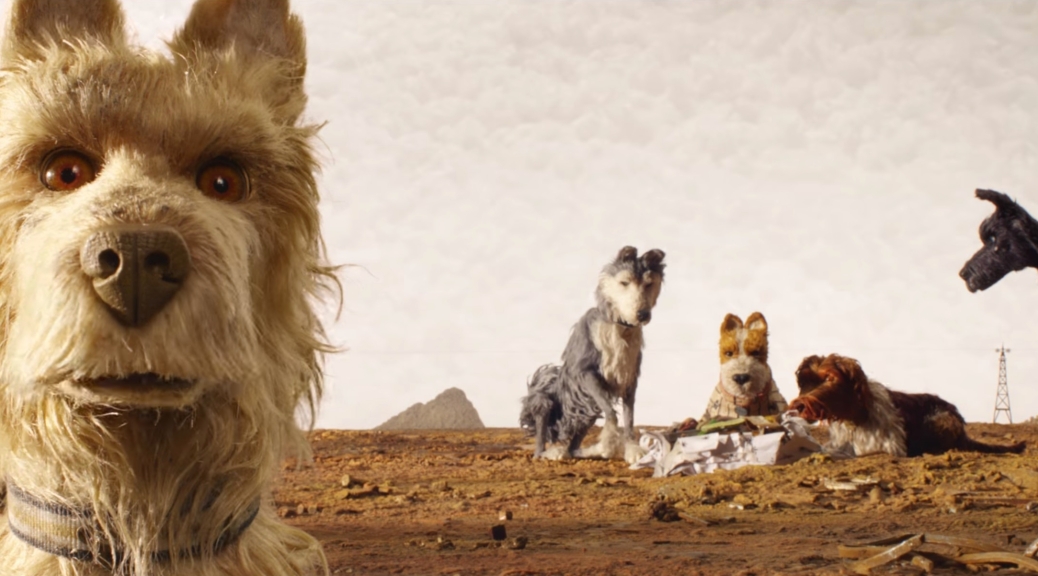
Many choice words have been used in describing Wes Anderson and his body of work. One of the more apt descriptors is “meticulous.” With Isle of Dogs, the director’s second foray into the realm of stop motion animation, meticulous is perhaps an understatement.
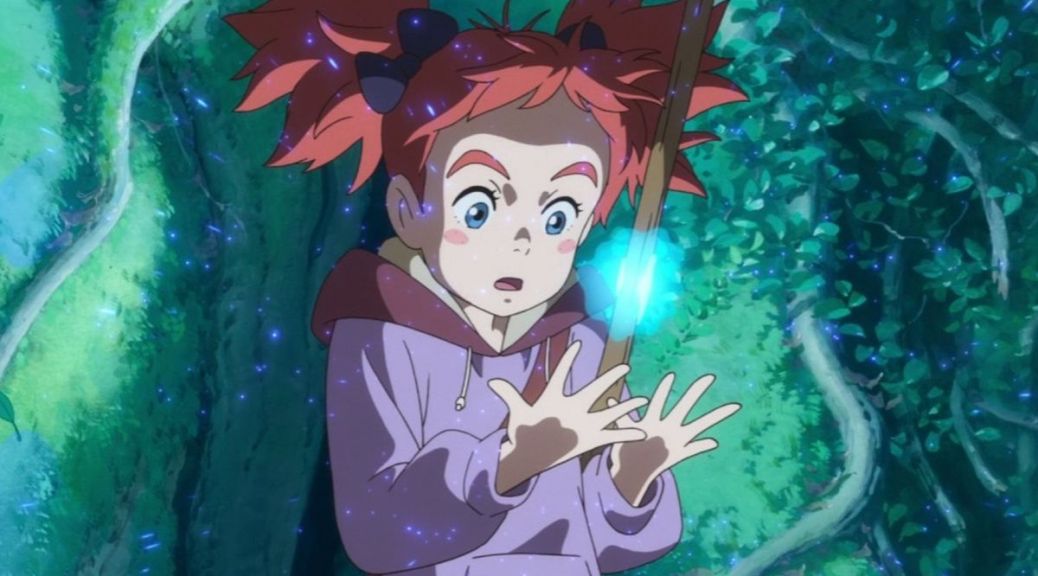
Mary and the Witch’s Flower is the first feature film from Studio Ponoc, a company made up of several former creators from the famed Studio Ghibli. It tells a story that is essentially Harry Potter adjacent, in which a young girl named Mary (Ruby Barnhill, in the English-language dub) stumbles upon a special flower, an engraved broomstick, and, ultimately, magical powers.
The novelty of the animated film Loving Vincent is well-known at this point. Over a hundred artists were tasked with replicating Vincent van Gogh’s works as a backdrop for a rotoscoped story exploring van Gogh’s mental health in his final days.
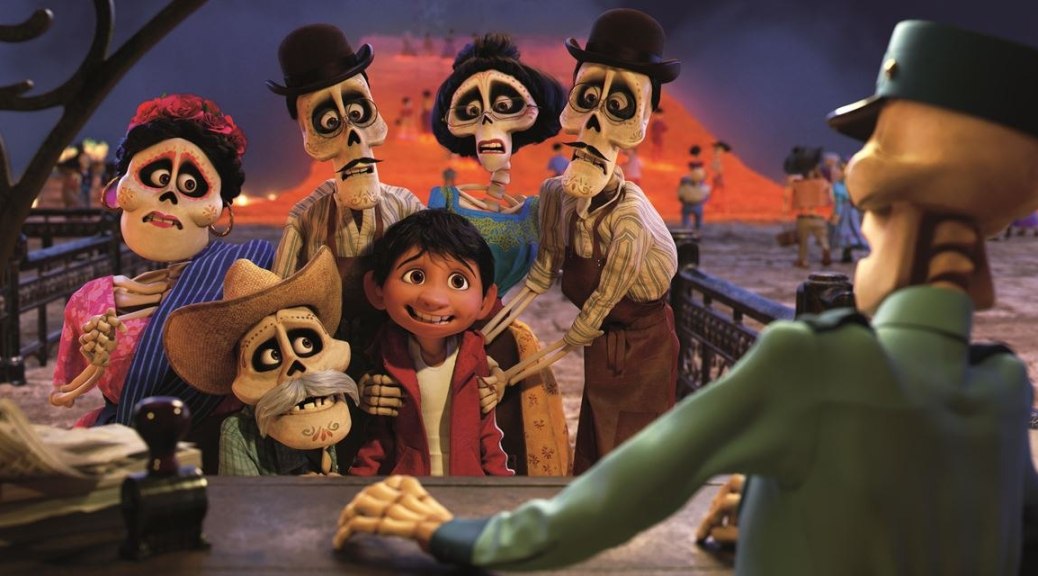
Pixar films often run on a formula of a handful of sure-fire tropes. A protagonist with dreams bigger than the present situation, prevented from acting on those dreams by external forces. A sidekick character who either doesn’t talk or has way too much to say. A supporting character who turns out to be evil at the third act break. The hero’s journey, all in pursuit of a theme that revolves around family and/or finding oneself.








 CineFiles Movie Reviews