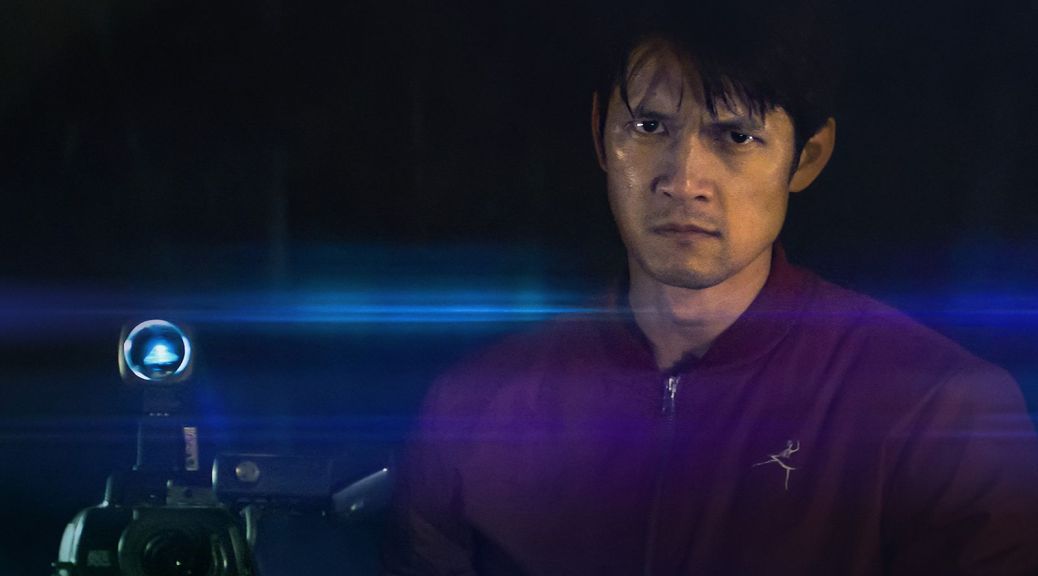
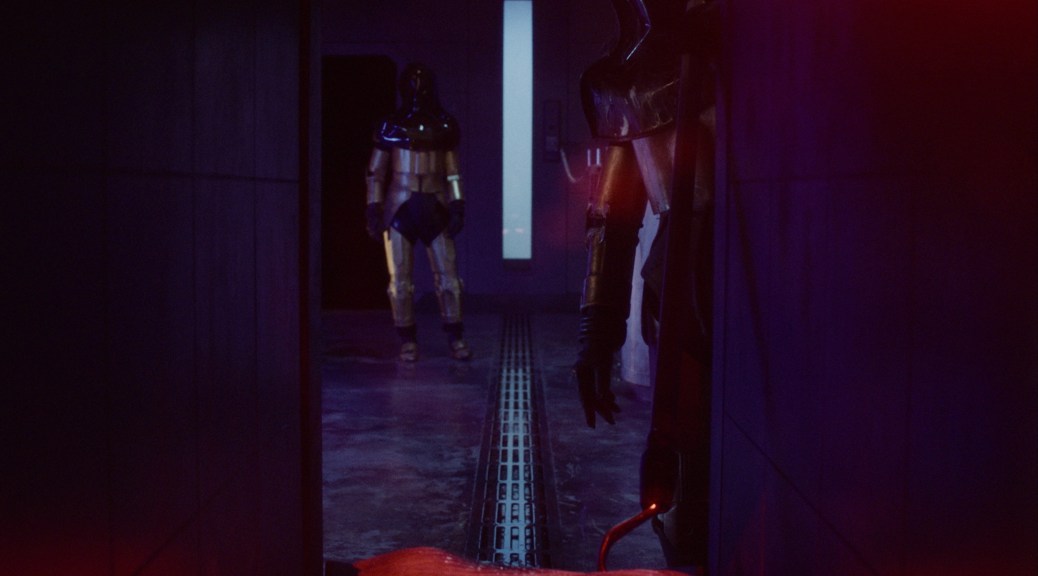
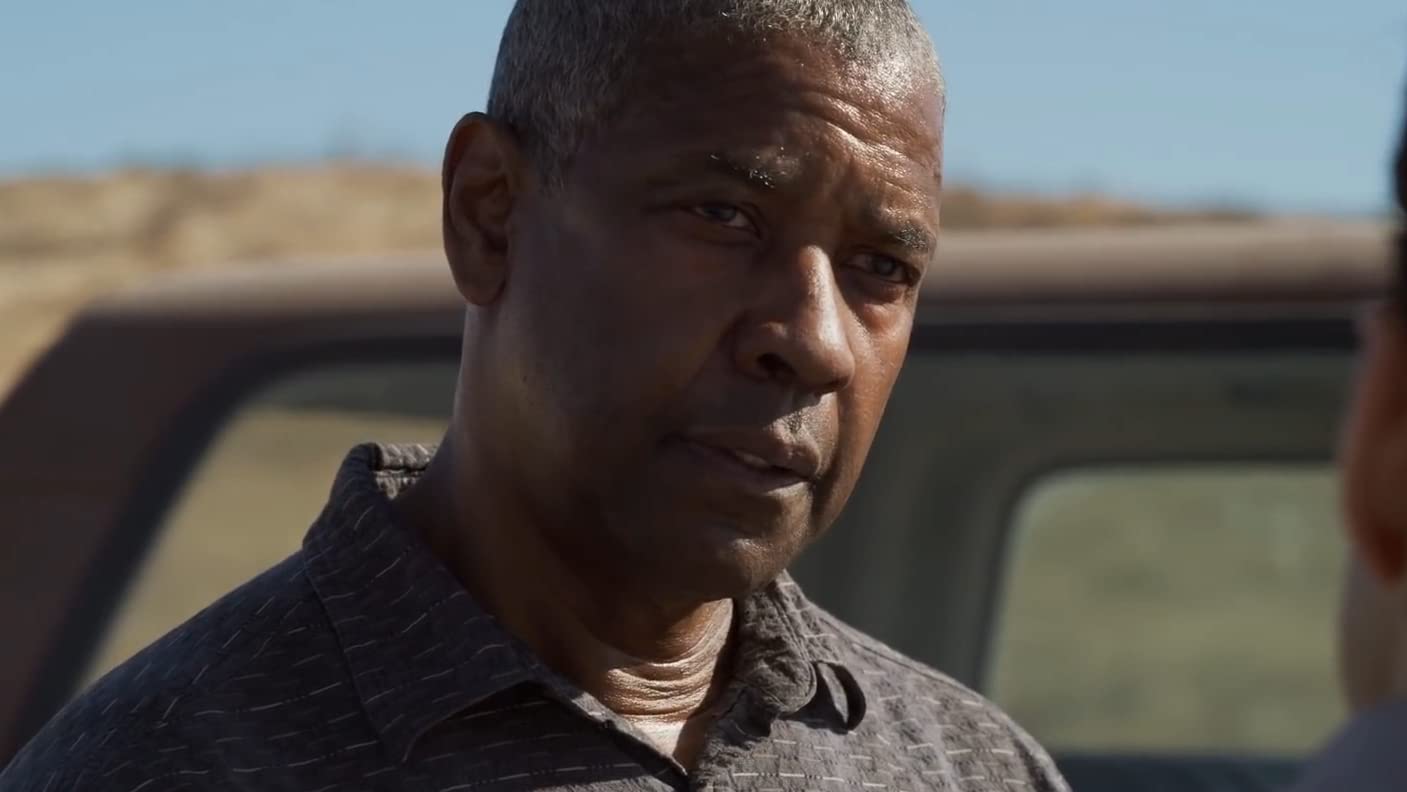
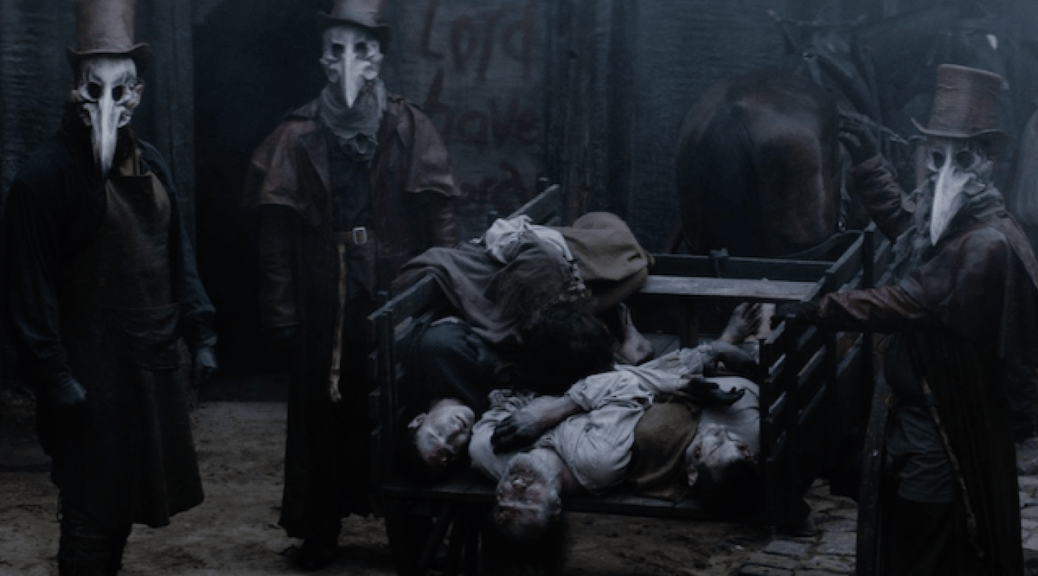
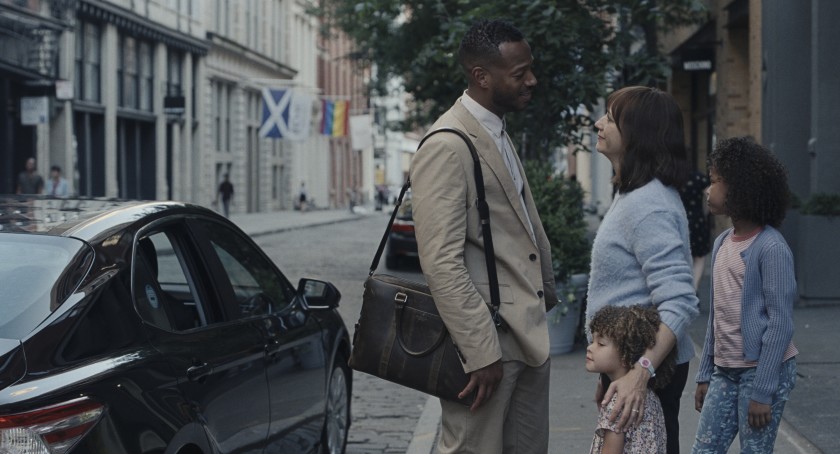
Broadcast Signal Intrustion and Coming Home in the Dark are screening as part of the 2021 Fantasia International Film Festival that runs Aug. 5 to Aug. 25.
Somewhere in my preteen years, when I was taking in film so voraciously that I may have grown allergic to the sun, I stumbled upon Quentin Tarantino’s Reservoir Dogs. I was hooked. It was probably my favorite movie for years, until some other hyper-masculine auteur thing took its spot. And, while it makes me feel like a dorm-room film nerd to admit it, I still love Reservoir Dogs (I can at least say I never had a Pulp Fiction poster hung up in my dorm room).
Reservoir Dogs belongs to a specific type of modern crime film. These films have a sizable ensemble cast, flashy dialogue, a winding narrative chock full of backstabbing and secrets, and the outcome generally goes badly for every character involved. Stakes matter, because the script is not beholden to the safety of the principal cast of characters. Death is treated as superfluous, a mere hazard of the profession. Cynicism reigns as supreme as in the bleakest of film noir, yet the generic elements of the film hew closer to baseline exploitation cinema.
Unhinged was one of the first films to release theatrically in the United States following the onset of the Coronavirus pandemic. And it seemed like it was generally well-liked by those who saw it at the time. This is not all that surprising within the context. It is a highly-visual, modestly-budgeted spectacle film. Those missing the theaters enough to brave the virus to see something (anything) on a big screen would understandably enjoy the pulse-pounding wild ride that is Unhinged; and, at the same time, they may be willing to overlook the cartoonish nature of its plot.
Director Tim Hunter is perhaps best known for the crime drama River’s Edge starring Keanu Reeves. He has since directed the occasional feature, but most of his work is done on television programs. Fittingly, his Smiley Face Killers has the appearance of a teen drama show (like Riverdale or Scream: The TV Series, two shows Hunter has worked on).
I don’t say this disparagingly; it is simply an apparent feature. The young actors are lit and shot like they are models in an advertisement. Soft focus accentuates them in the frame. Soft, high key lighting highlights their features. At one point, a major character strips down and takes a shower, and the camera lingers on Continue reading Smiley Face Killers (2020) Movie Review→
The Little Things, which is currently available to HBO Max subscribers on Warners’ streaming service, takes place in 1990. It was also first written in the 1990s (registered with the WGA in 1993, apparently). And this comes as no surprise, given its bold adherence to the tropes of the procedural crime genre that ballooned in the 1990s after the massive success of The Silence of the Lambs.
Neil Marshall’s The Descent holds special weight in my mind. I can recall being extraordinarily tense throughout watching that film, cementing it in my head as a distinctly effective horror film. That film is an intensely close-quarters survival thriller turned creature feature that has its cult fanbase, of which I guess I am a part. But after watching The Reckoning, I question whether it was simply a claustrophobia I did not know I had that made that film so effective.
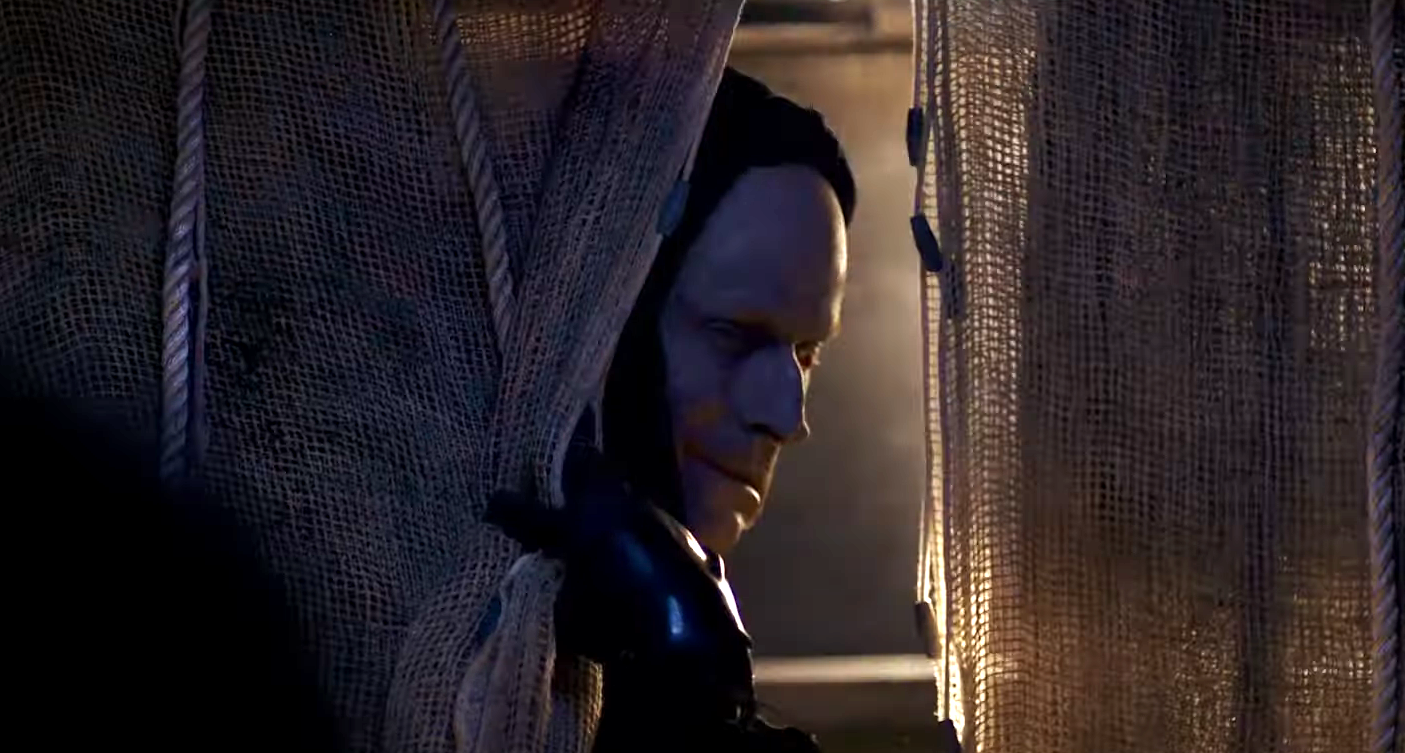
The Reckoning, Marshall’s follow-up to the similar dud Hellboy, is a substantial disappointment. The premise of the film holds promise: during the time of the Great Plague, a woman is accused of dealing with the devil while trying to save her homestead following the untimely death of her husband. Setting a witch trial narrative on the backdrop of the Plague is intriguing. The Witch by way of Contagion, perhaps? Not quite.
In my rapid fire end-of-year move catch-up, I have been watching films which run the gamut on the quality spectrum. I want to share some brief thoughts on two more of these films.